Everything You Should Know About Organic Cotton Fabric for Yoga Wear
- Share
- Issue Time
- May 8,2026
Summary
The activewear industry, especially yoga fashion, is undergoing a significant transformation driven by increasing consumer demand for sustainability. This movement places organic cotton at its core, offering an eco-friendly alternative to traditional fabrics. Conventional activewear often relies on synthetic, petroleum-based materials like polyester and nylon, which contribute to microplastic pollution and are energy-intensive to produce. Even conventional cotton farming presents environmental c
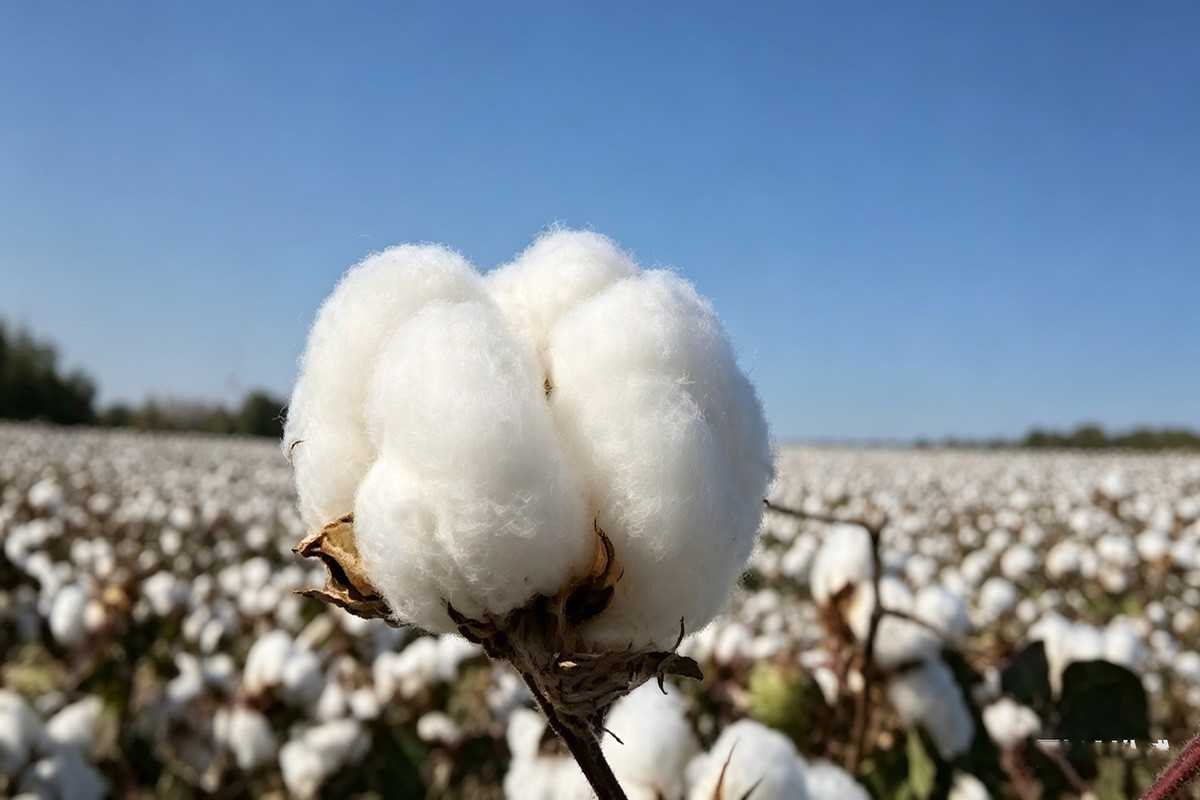
The world of activewear, particularly yoga fashion, is experiencing a significant shift towards sustainability. Consumers are increasingly seeking out eco-friendly alternatives, making the demand for organic clothing more prominent than ever. Central to this movement is organic cotton, a textile renowned for its environmental benefits and suitability for mindful practices. This article explores everything you should know about organic cotton fabric for yoga wear, from its production to its positive impact.
Key Takeaways
- Rising Eco-Consciousness: Consumers in the activewear market are increasingly prioritizing sustainability, driving demand for fabrics like organic cotton.
- Environmental Advantages: Organic cotton significantly reduces environmental harm compared to conventional cotton by eliminating synthetic pesticides and fertilizers, cutting water consumption by up to 91%, and lowering greenhouse gas emissions.
- Superior Comfort & Health: Free from harsh chemicals, organic cotton is hypoallergenic, softer, and more breathable, making it ideal for sensitive skin and comfortable for yoga practice.
- Ethical Production: The move towards organic cotton is tied to a broader push for supply chain transparency, fair labor practices, and social responsibility in the fashion industry.
- The Role of Certifications: Third-party certifications like the Global Organic Textile Standard (GOTS) and the Organic Content Standard (OCS) are crucial for verifying the integrity of organic claims from farm to final product.
- Innovation in Sustainability: Beyond organic cotton, the industry is exploring other innovative materials like hemp, TENCEL™, and even next-generation textiles derived from mushrooms and algae.
The Growing Demand for Sustainable Cotton Fabric for Yoga Wear
The activewear landscape is undergoing a profound transformation. As awareness of the climate crisis and environmental degradation grows, consumers are no longer just looking for performance and style; they are demanding accountability and sustainability from the brands they support. This shift is particularly evident in the yoga community, where principles of mindfulness and respect for nature extend to purchasing decisions.
Rise of Eco-Conscious Consumers in Activewear
A new generation of consumers is voting with their wallets for a healthier planet. This "eco-conscious" demographic is actively seeking out activewear that aligns with their values. They are informed, discerning, and willing to invest in products that are produced ethically and sustainably. This trend has moved from a niche interest to a mainstream market force, compelling brands to rethink their materials and manufacturing processes. The demand is no longer just for a product but for the story behind it—a story of environmental stewardship and social responsibility. As consumers become more aware of the issues plaguing the fashion industry, from water pollution to labor exploitation, they are turning towards brands that offer transparency and a genuine commitment to positive change.
The Environmental Cost of Traditional Yoga Wear Production
For decades, the activewear industry has relied heavily on synthetic, petroleum-based fabrics like polyester and nylon. While these materials offer desirable performance qualities such as stretch and moisture-wicking, their environmental toll is immense. The production of these synthetic fibers is energy-intensive and depends on fossil fuels, a non-renewable resource.
A significant and alarming consequence of synthetic fabrics is microplastic pollution. With every wash, garments made from polyester and nylon shed thousands of tiny plastic fibers. These microplastics are too small to be filtered by wastewater treatment plants and inevitably end up in our rivers and oceans, where they harm marine life and enter the global food chain.
Furthermore, even "natural" fibers like conventional cotton come with a heavy environmental price tag. Conventional cotton farming is one of the most chemically intensive agricultural practices in the world. It is responsible for a significant percentage of global insecticide and pesticide use, which contaminates soil, pollutes water sources, and poses health risks to farmers and nearby communities. The production of a single conventional cotton t-shirt can consume thousands of liters of water, placing immense strain on local water supplies, often in water-scarce regions.

Wholesale Adoption of Organic Options
In response to both consumer demand and a growing sense of corporate responsibility, the activewear industry is increasingly embracing organic alternatives. Brands, from small startups to global giants, are integrating organic cotton into their supply chains. This has fueled a significant expansion in the wholesale market for sustainable textiles. Fabric manufacturers and suppliers are scaling up their production of certified organic cotton to meet the B2B demand from apparel companies.
This shift is not merely a marketing trend but a fundamental change in sourcing strategy. Companies recognize that adopting organic options is crucial for future-proofing their business, enhancing brand reputation, and aligning with a market that increasingly values sustainability. The wholesale availability of high-quality organic cotton fabrics, from jersey knits to French terry, allows brands to design complete collections that are both eco-friendly and high-performing, without compromising on style or comfort.
Understanding Organic Cotton Fabric for Yoga Wear: Benefits and Core Features
Organic cotton is more than just a buzzword; it represents a fundamentally different approach to textile production that prioritizes ecological balance and consumer well-being. Its inherent qualities make it an exceptional choice for yoga wear, offering a unique combination of comfort, performance, and peace of mind.
Chemical-Free Manufacturing and Resource Conservation
The most significant benefit of organic cotton lies in how it's grown. Unlike its conventional counterpart, organic cotton farming forbids the use of synthetic pesticides, herbicides, and fertilizers. Instead, farmers rely on natural methods like crop rotation, composting, and beneficial insects to maintain soil fertility and manage pests. This approach eliminates harmful chemical runoff that can pollute rivers and groundwater, protecting both local ecosystems and the health of farming communities.
This method also yields substantial resource savings. Organic farming practices build healthier, more resilient soil that is better at retaining water. This improved soil structure, often combined with rain-fed cultivation, means that organic cotton production can use up to 91% less water than conventional cotton. Additionally, by avoiding energy-intensive synthetic fertilizers, the carbon footprint of organic cotton is significantly lower. Choosing organic cotton is a direct vote for cleaner air, safer water, and healthier soil.
| Feature | Conventional Cotton | Organic Cotton |
|---|---|---|
| Pesticide/Herbicide Use | Heavily reliant on synthetic chemicals. | Prohibited; uses natural pest management. |
| Fertilizers | Uses synthetic, energy-intensive fertilizers. | Uses natural compost and manure. |
| Water Consumption | High; can require up to 20,000 liters per kg. | Up to 91% less water usage, often rain-fed. |
| GMO Seeds | Commonly uses genetically modified seeds. | Prohibited. |
| Soil Health | Leads to soil degradation and erosion. | Builds soil organic matter and fertility. |
| Greenhouse Gas Emissions | Higher due to chemical production. | Emits up to 46% less greenhouse gas. |
Inherent Comfort, Breathability, and Longevity
For the yoga practitioner, the benefits of organic cotton are immediately tangible. The absence of harsh chemical processing results in fibers that are naturally softer and gentler against the skin. This makes organic cotton clothing hypoallergenic and an ideal choice for individuals with sensitive skin or allergies, as it is less likely to cause irritation or trigger reactions.
Organic cotton is also exceptionally breathable. Its natural fibers allow air to circulate freely, helping to regulate body temperature and wick moisture away from the skin during a yoga session. This prevents the clammy feeling often associated with synthetic fabrics and keeps you comfortable from your first sun salutation to your final Savasana. Furthermore, because organic cotton fibers are not weakened by harsh chemical treatments, they are often stronger and more durable, leading to garments that last longer and withstand repeated washing.
Complementary Natural Fibers for Yoga Apparel
While 100% organic cotton is excellent for many applications, it is often blended with other natural or sustainable fibers to enhance performance characteristics like stretch and moisture management for activewear. Brands are increasingly using innovative, eco-friendly blends to create the perfect yoga fabric. Some popular complementary fibers include:
- Hemp: A highly durable and breathable fiber, hemp requires very little water and no pesticides to grow. It naturally softens with wear and has antimicrobial properties.
- TENCEL™ Lyocell: Produced from sustainably sourced wood pulp in a closed-loop system that recycles water and solvents, TENCEL™ is known for its incredible softness, smooth drape, and excellent moisture-wicking capabilities.
- Linen: Made from the flax plant, linen is another low-impact crop. It is exceptionally strong, breathable, and becomes softer with each wash, making it a great choice for relaxed-fit yoga wear.
By blending organic cotton with these complementary fibers, brands can create textiles that offer the perfect balance of comfort, durability, and eco-conscious performance.
Versatility of Organic Cotton in Apparel
Organic cotton is not a one-size-fits-all material. Its versatility allows it to be transformed into a wide range of fabrics suitable for every type of yoga apparel. This adaptability is a key reason for its popularity among sustainable designers.
- Organic Cotton Jersey: This is a soft, stretchy, and lightweight knit fabric, perfect for creating comfortable yoga tops, t-shirts, and leggings. Its flexibility moves with the body, providing unrestricted movement.
- Organic Cotton French Terry: With a smooth outer surface and soft loops on the inside, French terry is a midweight fabric that's both absorbent and cozy. It's an excellent choice for yoga sweatshirts, hoodies, and warm-up pants.
- Organic Cotton Fleece: For ultimate warmth and softness, fleece is the go-to. This fabric is brushed to create a thick, plush texture, making it ideal for post-yoga loungewear or for practicing in cooler climates.
- Organic Cotton Rib-Knit: This fabric has a visible ribbed texture and offers excellent stretch and recovery. It is often used for cuffs, neckbands, and fitted tank tops that require a snug yet comfortable fit.
This versatility means that an entire yoga wardrobe, from supportive leggings to cozy cover-ups, can be crafted from different variations of this single, sustainable fiber.
Ethical Production and Sourcing of Organic Cotton Fabric for Yoga Wear
A truly sustainable garment is not just about the raw materials; it's about the entire journey from seed to closet. For organic cotton yoga wear, ethical production and transparent sourcing are as fundamental as the chemical-free farming itself. This holistic approach ensures that the positive impact extends to the people who make the clothes and the integrity of the final product.
Prioritizing Fair Labor and Supply Chain Transparency
The shift towards organic cotton often goes hand-in-hand with a commitment to ethical labor practices. The conventional fashion industry has long been criticized for opaque supply chains that can hide exploitative conditions, including low wages and unsafe workplaces. In contrast, leading sustainable brands are championing transparency, providing consumers with insight into where and how their clothes are made.
This commitment often manifests through partnerships with factories that are Fair Trade Certified™. This certification ensures that workers receive fair wages, work in safe conditions, and benefit from community development funds. By choosing brands that prioritize supply chain transparency and fair labor, consumers can use their purchasing power to support a more equitable and just textile industry, ensuring that their yoga wear is made with positive energy at every step.
The Role of Certification in Organic Textile Integrity
In a market where "green" claims are common, third-party certifications are essential for ensuring the integrity of organic textiles. These rigorous, independent standards verify that a product meets specific criteria from the farm to the finished garment, giving consumers confidence that they are purchasing a genuinely organic and ethically produced item.
Two of the most recognized and trusted certifications in the industry are:
- Global Organic Textile Standard (GOTS): GOTS is the worldwide leading standard for organic textiles. To be GOTS certified, a product must contain at least 95% certified organic fibers ("organic" label) or 70-94% ("made with organic" label). Crucially, GOTS goes beyond just the fiber; it also sets strict environmental criteria for the entire processing chain—including prohibiting toxic dyes and chemicals—and requires compliance with social criteria based on the key norms of the International Labour Organization (ILO).
- Organic Content Standard (OCS): Managed by the Textile Exchange, the OCS verifies the presence and amount of organic material in a final product. It provides a chain of custody to track the organic fiber from its source to the finished product. Unlike GOTS, OCS does not cover social or environmental aspects of processing, focusing purely on the integrity of the organic content. A product can be certified as "OCS 100" if it contains 95-100% organic fiber or "OCS Blended" if it contains 5-94%.
When you see these labels on a piece of yoga wear, you can trust that its organic claims have been independently verified.
Brands Contributing to Social Causes
The ethos of sustainability often extends beyond environmental concerns and fair labor into broader social responsibility. Many purpose-driven brands in the yoga and activewear space are dedicating a portion of their profits or resources to support social and environmental causes. This can include everything from donating to environmental conservation projects to supporting community initiatives and promoting wellness education.
Some brands achieve this through models like "1% for the Planet," where they commit to donating 1% of their annual sales to environmental non-profits. Others may be certified as a B Corporation (B Corp), which is a legal designation for companies that meet high standards of social and environmental performance, accountability, and transparency. By supporting these brands, consumers contribute to a ripple effect of positive change, making their purchase a vote for a business model that values people and the planet alongside profit.
Leading Brands and Innovations in Sustainable Cotton Fabric for Yoga Wear
As the demand for sustainable activewear grows, a wave of pioneering brands and material innovators are leading the charge. They are not only popularizing organic cotton but also pushing the boundaries of what's possible in eco-friendly textiles, making it easier than ever for consumers to find high-quality, ethical yoga apparel.
Pioneering Brands in Organic and Ethical Yoga Apparel
Several brands have built their identity around a deep commitment to sustainability and ethical production. They have demonstrated that it's possible to create beautiful, high-performance yoga wear without compromising on values.
- Patagonia: A long-time leader in environmental activism and sustainable apparel, Patagonia switched to using exclusively 100% organic cotton for all its cotton products back in 1996. Their commitment to durability, repair, and recycled materials has set a high bar for the entire industry. The company has even moved beyond organic to support Regenerative Organic Certified® cotton, a standard that prioritizes soil health and animal welfare.
- Pact: Known for its affordable and accessible organic cotton basics, Pact has made sustainable clothing a viable option for a broader audience. Their collections include everything from underwear and socks to leggings and hoodies, all made in Fair Trade Certified™ factories with GOTS certified organic cotton. Reviews often praise the softness, durability, and comfort of their pieces.
- prAna: As a brand deeply rooted in the climbing and yoga communities, prAna has been a champion of sustainable materials and ethical practices for years. They offer a wide range of yoga wear made from organic cotton, hemp, and recycled polyester, and they are committed to Fair Trade certification and responsible packaging.
These brands, among others, prove that a business can be both successful and a force for good.
Expanding Beyond Organic Cotton: Innovative Sustainable Materials
While organic cotton is a fantastic foundation for sustainable apparel, the future of eco-friendly fabrics is brimming with exciting innovations. Scientists and textile developers are exploring a variety of next-generation materials that promise even lower environmental impact.
- Mushroom Leather (Mycelium): This bio-fabricated material is made from mycelium, the root-like structure of fungi. It can be grown in a fraction of the time and with a fraction of the resources required for animal leather, and it is fully biodegradable. Brands like adidas, Stella McCartney, and Hermès have already begun experimenting with this revolutionary material.
- Algae-Based Fabrics: Algae is a fast-growing organism that can be cultivated in water systems without competing for land resources. Some innovative fabrics made from algae can even perform photosynthesis, converting carbon dioxide into oxygen while being worn. This technology is still in its early stages but holds immense promise for creating truly climate-positive textiles.
- Recycled and Regenerated Fibers: The use of recycled materials, such as polyester made from post-consumer plastic bottles (rPET), continues to be a key strategy for reducing waste and conserving resources. Similarly, regenerated fibers like TENCEL™ and Modal, produced from renewable wood sources in closed-loop systems, offer a sustainable alternative to conventional synthetics.

Simplifying the Search for Ethical Yoga Wear
Navigating the world of sustainable fashion can sometimes feel overwhelming. With so many claims and certifications, how can consumers confidently find truly ethical yoga wear that also fits their unique needs? Fortunately, the process is becoming simpler, especially for those who seek a more personalized approach. Conscious brands are increasingly transparent about their supply chains, and third-party certifications like GOTS and Fair Trade serve as reliable signposts. For yoga studios, instructors, and individual practitioners looking for something beyond mass-produced apparel, custom manufacturing offers the ideal solution. easemotionspecializes in crafting custom yoga wear, allowing you to directly choose certified organic cotton fabrics and design garments that reflect both your values and your vision. This made-to-order approach not only eliminates the waste associated with bulk production but also ensures that every piece is produced ethically, with full transparency from fabric sourcing to the final stitch. By offering bespoke, sustainable yoga clothing, easemotion empowers you to move beyond simply buying off the rack and instead co-create apparel that is profoundly aligned with your practice and principles, making the search for truly ethical yoga wear both effortless and inspiring.Frequently Asked Questions (FAQ)
Q1: Is organic cotton yoga wear as durable as synthetic options? A: Yes, high-quality organic cotton is very durable. Because its fibers haven't been damaged by harsh chemicals during processing, it can often be stronger than conventional cotton. While some synthetic fabrics are known for extreme durability, well-made organic cotton garments are built to last through many yoga sessions and washes.
Q2: Does organic cotton stretch enough for yoga? A: 100% organic cotton has a natural give, but for the close-fitting stretch required in yoga pants, it is often blended with a small percentage of a stretch fiber like elastane (spandex). Many sustainable brands use recycled elastane or are exploring bio-based alternatives to maintain performance while minimizing environmental impact.
Q3: How should I care for my organic cotton yoga wear? A: Generally, you can wash organic cotton in cold water on a gentle cycle and tumble dry on low. Washing in cold water is more energy-efficient and helps preserve the colors and fibers of the garment. Always check the care label on the specific item for the best instructions.
Q4: Is organic cotton more expensive? A: Organic cotton can sometimes be more expensive than conventional cotton due to lower crop yields and the costs associated with certification and fair labor practices. However, many consumers see this as an investment in their health, the environment, and a more ethical fashion industry. Additionally, brands like Pact are working to make organic basics more affordable.
Q5: What is the difference between GOTS and Fair Trade certification? A: GOTS (Global Organic Textile Standard) focuses on the entire processing of textiles from organic fibers, covering environmental and chemical criteria, as well as some social standards. Fair Trade certification focuses specifically on the social and economic aspects, ensuring farmers and workers receive fair prices and wages, safe working conditions, and community development funds. The two certifications are complementary and often appear together on a product.