How easemotion Sustainable Activewear Delivers Both Performance and Planet-Friendly Benefits.
- Share
- Issue Time
- Apr 28,2026
Summary
Explore how sustainable activewear combines high-performance fabric technology with environmental responsibility, proving brands can deliver comfort, durability, and eco-conscious design together.
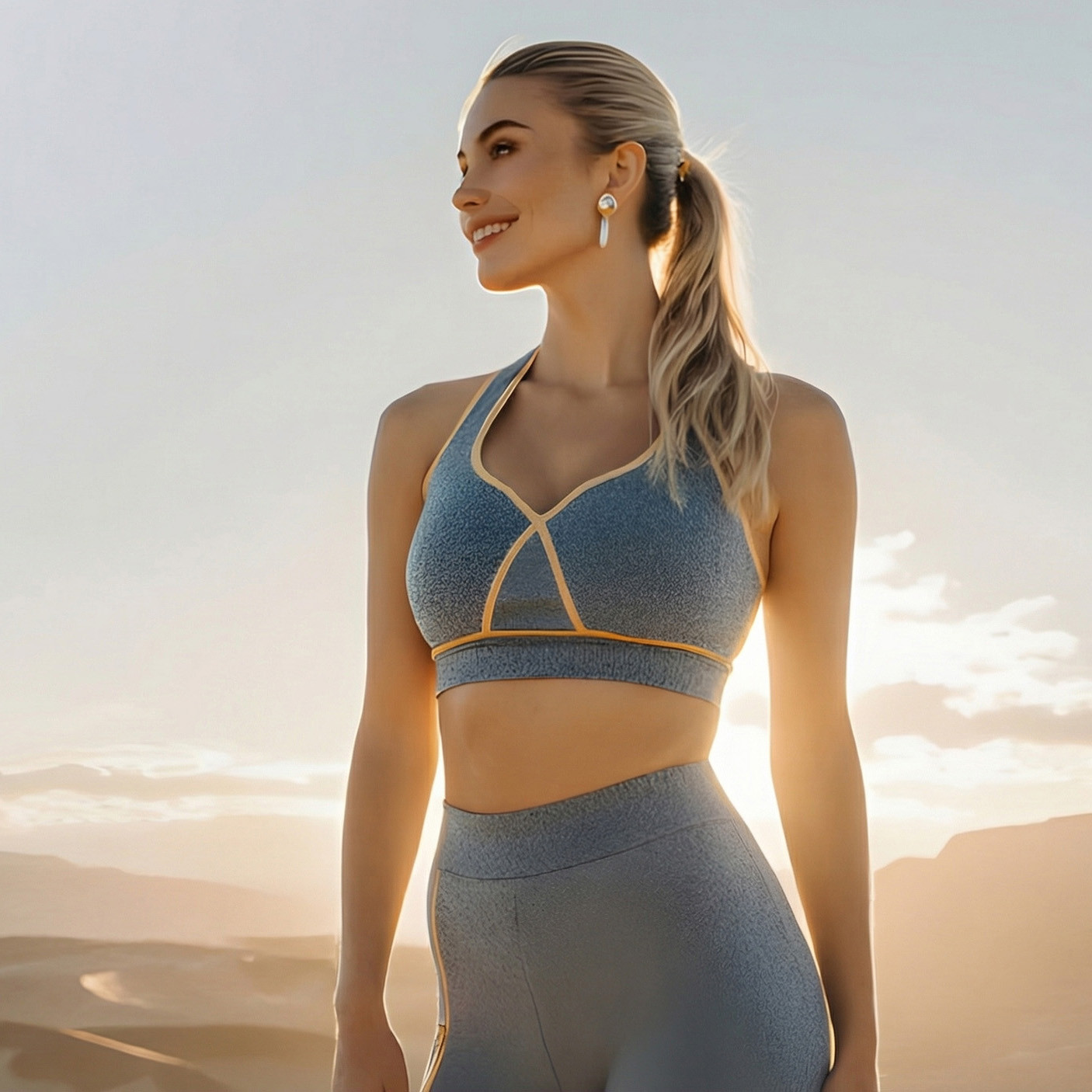
As a conscious consumer, I believe we no longer have to choose between looking good, feeling great during our workouts, and protecting our planet. The era of compromise is over. Today, I want to explore how innovative brands like easemotion are leading the way, perfectly blending cutting-edge performance with deep environmental responsibility. This journey will take us through the impressive dual benefits of sustainable activewear, proving that high-performing gear can also be genuinely planet-friendly. Let's dive deep into the fabrics, practices, and care routines that make this fitness revolution possible.
Key Takeaways
- Performance Without Compromise: Sustainable activewear, like that from easemotion, utilizes advanced fabric technologies such as superior moisture-wicking, four-way stretch for flexibility, and targeted compression to enhance athletic performance, proving that eco-friendly materials can meet and exceed the demands of serious athletes.
- Planet-Friendly Materials are Key: The core of sustainable activewear lies in its material composition. easemotion focuses on innovative fabrics like recycled polyester (rPET) from plastic bottles, recycled nylon, renewable bamboo, and organic cotton, which significantly reduce carbon footprint, water usage, and landfill waste compared to their conventional counterparts.
- Durability is Sustainability: A central tenet of the slow fashion movement, embraced by easemotion, is creating high-quality, durable activewear. This focus on longevity means garments last longer, reducing the "cost per wear" and minimizing the environmental impact associated with the throwaway culture of fast fashion.
- Eco-Conscious Care Matters: The lifecycle of activewear extends to how we care for it. Following proper care instructions—such as washing in cold water, avoiding harsh chemicals and fabric softeners, and air-drying—not only prolongs the life and performance of your gear but also conserves energy and reduces environmental impact.
- Informed Choices Drive Change: By choosing brands like easemotion, consumers make a powerful statement. They support a circular economy, advocate for ethical production, and invest in products that benefit both their personal health and the planet's well-being, proving that conscious consumerism can fuel positive industry-wide change.
The Dual Benefits of Sustainable Activewear: Performance that Pushes Us Further
The conversation around sustainable activewear often centers on its environmental advantages. While critically important, this can sometimes overshadow an equally compelling truth: modern, eco-conscious activewear is engineered for elite performance. Brands like easemotion are at the forefront, demonstrating that the materials and methods that benefit the planet can also elevate our workouts. By leveraging advanced fabric technologies and making intelligent material choices, they deliver gear that supports, endures, and excels, pushing us to achieve our personal best.
Advanced Fabric Technologies: Pushing the Boundaries of Athleticism
The feel and function of your activewear are not accidental; they are the result of deliberate fabric engineering. Sustainable brands are innovating in this space, creating textiles that offer tangible athletic advantages.
Moisture-Wicking and Sweat Management: Keeping Us Dry and Comfortable
There's nothing more distracting during a workout than the feeling of heavy, sweat-soaked clothing clinging to your skin. High-performance activewear solves this problem with moisture-wicking technology, a feature central to easemotion's design philosophy.
So, how does it work? The process is driven by "capillary action," where the fabric's micro-fibers pull sweat away from your skin and move it to the outer surface of the garment. Once the sweat reaches the exterior, it spreads out over a larger surface area, allowing it to evaporate quickly into the air. This two-step process—pulling and evaporating—is what keeps you feeling dry, comfortable, and light.
This technology offers several key performance advantages:
- Thermoregulation: By efficiently removing sweat, moisture-wicking fabrics help your body regulate its temperature more effectively. This prevents overheating during intense activity and also avoids the dangerous post-workout chill that can happen when sweat-soaked fabric, especially cotton, cools down against your skin.
- Reduced Chafing and Irritation: Dry skin is less prone to friction and irritation. Trapped moisture can lead to uncomfortable chafing and even create a breeding ground for bacteria, but wicking fabrics mitigate this risk by keeping the skin surface dry.
- Enhanced Comfort and Focus: Simply put, when you're not distracted by sticky, heavy clothing, you can focus better on your form, endurance, and overall performance. The right activewear can genuinely revolutionize your exercise routine by improving your comfort and helping you reach your goals faster.
Brands are constantly refining this technology by engineering the shape and structure of fibers to create more channels for moisture to travel along, making the process even more efficient. This commitment to advanced sweat management is a hallmark of premium sustainable activewear.
Flexibility and Durability: Gear That Moves With Us, Lasting Longer
Activewear must serve as a second skin, moving with the body without restriction. This is achieved through a combination of flexible materials and durable construction—two areas where sustainable brands like easemotion excel, understanding that longevity is a cornerstone of sustainability.
Freedom of Movement with 4-Way Stretch The gold standard for performance apparel is four-way stretch fabric. Unlike two-way stretch materials that only expand crosswise, four-way stretch fabric expands both crosswise and lengthwise. This multi-directional elasticity, typically achieved by blending fibers like polyester or nylon with elastane (also known as Spandex or Lycra), allows for a completely unrestricted range of motion. Whether you are in a deep yoga pose, performing a squat, or sprinting, the fabric moves with you, never against you. This eliminates the distracting feeling of pulling or constriction, allowing you to focus entirely on your form. Furthermore, these high-quality blends have excellent shape retention, meaning they snap back to their original form after being stretched, preventing sagging and ensuring a consistent fit wash after wash.
Engineered for Durability Flexibility means little if the garment falls apart. Durability is achieved through both material science and superior construction.
- Strong Fibers: Sustainable synthetics like recycled polyester and nylon are chosen not just for their eco-credentials, but for their inherent strength and resistance to abrasion. These fibers can withstand the repetitive movements and high-friction demands of intense exercise, leading to a much longer product lifespan.
- Reinforced Construction: The way a garment is held together is as important as the fabric itself. Premium activewear from brands like easemotion often features flatlock seams. Unlike traditional overlock seams that leave a raised ridge of fabric on the inside, flatlock stitching joins the fabric panels edge-to-edge, creating a seam that is completely flat against the skin. This has two major benefits:
- Comfort: It drastically reduces the risk of chafing and skin irritation, which is critical for close-fitting garments worn during prolonged activity.
- Strength: The interlocking stitch distributes stress over a wider area, making the seam incredibly strong and elastic, able to stretch with the fabric without popping.
Investing in durable, flexible gear is a sustainable act. It means buying fewer items over time, reducing textile waste, and lowering the overall environmental impact of your wardrobe.
Compression for Muscle Support and Recovery: Enhancing Our Workouts
Beyond just allowing movement, high-performance activewear actively supports it. Compression gear, a key offering in many advanced activewear lines, is designed to apply gentle, graduated pressure to your muscles. This technology, born from the medical field, offers tangible benefits for both athletic performance and post-workout recovery.
The science behind compression is centered on a few key principles:
- Improved Blood Circulation: Compression garments are typically designed with graduated pressure, meaning they are tightest at the extremities (like the ankles) and looser closer to the body's core. This pressure helps your veins more efficiently pump deoxygenated blood back to the heart. Enhanced circulation means more oxygen-rich blood can be delivered to your working muscles, which can improve endurance and performance.
- Reduced Muscle Oscillation: During high-impact activities like running or jumping, your muscles vibrate upon impact. Compression wear stabilizes the muscles by holding them firmly in place, which reduces this vibration or "muscle oscillation." Minimizing this movement can reduce micro-trauma to the muscle fibers, which in turn may lead to less muscle damage and fatigue.
- Faster Recovery: The benefits of compression are perhaps most significant after your workout. By improving blood flow, compression gear helps to more effectively flush out metabolic waste products, such as lactic acid, that accumulate during exercise and contribute to muscle soreness. Many athletes report less Delayed Onset Muscle Soreness (DOMS) when wearing compression garments post-exercise, allowing them to recover faster and get back to training sooner.
- Enhanced Proprioception: The snug fit of compression wear can increase your awareness of your body's position in space (proprioception). This heightened sense of body position may help improve form and movement efficiency, potentially reducing injury risk.
By integrating compression technology into their designs, brands like easemotion offer gear that not only withstands a workout but actively enhances it, providing support that helps you push harder and recover smarter.
Smart Material Choices: How easemotion Selects Fabrics for Peak Performance
The foundation of any great piece of activewear is the fabric itself. The choice of material dictates everything from how a garment feels against the skin to how it performs under pressure and how it impacts the environment. easemotion's strategy involves selecting a curated palette of materials, each chosen for its unique performance characteristics, and then sourcing them through a sustainable lens.
Polyester and Nylon: Lightweight, Strong, and Ready for Action
Polyester and nylon are the workhorses of the activewear world for good reason. They are synthetic fibers that offer a powerful combination of performance features that are difficult to match with natural fibers alone.
Polyester's Performance Profile:
- Superior Moisture-Wicking: Polyester is hydrophobic, meaning it naturally repels water. Its fibers absorb very little moisture (less than 0.4%), so instead of soaking up sweat like cotton, it pulls moisture to the fabric's surface to evaporate quickly. This makes it a top choice for high-sweat activities like running and HIIT.
- Exceptional Durability: Polyester fibers are strong, resilient, and resistant to stretching, shrinking, and abrasion. This ensures that garments maintain their shape and structure, even after repeated intense workouts and frequent washing.
- UV Resistance: A key advantage of polyester is its inherent resistance to UV radiation, which helps protect both the fabric from degrading and your skin from harmful rays during outdoor activities.
Nylon's Unique Advantages:
- Exceptional Strength and Durability: Nylon is one of the strongest and most durable synthetic fibers, boasting superior resistance to wear and abrasion compared to polyester. This makes it ideal for gear that endures a lot of friction.
- Silky-Smooth Texture: Nylon has a softer, smoother hand-feel than polyester, often described as more luxurious against the skin. This makes it a favorite for garments where next-to-skin comfort is paramount, like leggings and seamless sets.
- Superior Stretch and Recovery: While both fabrics stretch (especially when blended with elastane), nylon is known for its excellent elasticity and ability to return to its original shape consistently.
The Sustainable Edge: Recycled Synthetics The main drawback of virgin polyester and nylon is their reliance on petroleum, a non-renewable resource. This is where easemotion's commitment to sustainability makes a critical difference. By opting for recycled polyester (rPET) and recycled nylon, they harness all the performance benefits of these materials while dramatically improving their environmental profile.
- rPET is made from post-consumer plastic waste, like clear water bottles. These bottles are cleaned, shredded, and melted down into pellets, which are then spun into high-quality yarn. This process keeps plastic out of landfills and oceans.
- Recycled nylon is often sourced from post-industrial waste, fabric scraps, and even discarded fishing nets that pollute the ocean.
Choosing recycled versions of these powerhouse fabrics allows easemotion to create gear that is lightweight, strong, and performance-driven while championing a circular economy.
Spandex (Lycra): Unrestricted Movement and Shape Retention
While fabrics like polyester and nylon provide the base structure, the secret ingredient that gives activewear its signature stretch and figure-hugging fit is spandex. Also known generically as elastane, and famously by the brand name Lycra, this synthetic fiber is a true game-changer in performance apparel.
Spandex is rarely used on its own; instead, it is blended in small percentages (typically from 5% to 30%) with other fibers. Even a small amount of spandex dramatically transforms a fabric's properties. Spandex fiber is a polyether-polyurea copolymer, and its molecular structure is what gives it its incredible elasticity.
Key benefits of incorporating spandex into activewear include:
- Exceptional Elasticity: Spandex is famous for its ability to stretch significantly—up to five to eight times its original length—and then snap back to its original size and shape without damage. This allows for complete freedom of movement, which is essential for activities like yoga, gymnastics, and weightlifting where a full range of motion is required.
- Superior Shape Retention: A crucial and often overlooked quality, shape retention is a fabric's ability to maintain its original form after being stretched, worn, and washed. The powerful recovery of spandex fibers prevents garments from sagging, bagging, or losing their fit over time. This means leggings keep their supportive feel and sports bras maintain their structure, ensuring a longer product lifespan and better value.
- Enhanced Comfort and Fit: By allowing the fabric to conform to the body's contours, spandex creates a "second-skin" feel. This eliminates bagginess, reduces friction that can cause chafing, and ensures the garment stays in place during vigorous movement, so you're not constantly adjusting your clothes.
- Durability: Despite its incredible stretch, spandex is a strong and durable fiber. When blended with robust materials like nylon or polyester, it creates a fabric that is both highly flexible and resistant to wear and tear.
By blending spandex into its fabrics, easemotion ensures its activewear not only fits impeccably but also supports every movement while retaining its form and function for the long haul.
Merino Wool's Natural Edge: Temperature Control and Odor Resistance
While engineered synthetics dominate the high-intensity activewear space, nature has produced a performance fiber that is rivals—and in some cases, surpasses—them: Merino wool. Sourced from Merino sheep, this natural fiber is a marvel of biological engineering, offering a unique combination of benefits that make it an excellent choice for a wide range of athletic pursuits.
Sophisticated Temperature Regulation Merino wool's most celebrated quality is its incredible ability to regulate body temperature. Unlike synthetics that can feel stuffy or cotton that stays wet, Merino wool adapts to the wearer's needs. Its fibers have a natural crimp, creating tiny air pockets that trap body heat to provide insulation in cold weather. When you start to warm up and sweat, the wool's magic truly begins. It can absorb a large amount of moisture vapor—up to 30% of its own weight—pulling it away from your skin so you feel dry. As this moisture evaporates from the fabric, it creates a cooling effect. This dynamic breathability helps maintain a stable microclimate next to the skin, preventing both overheating during exertion and the dreaded "post-workout chill" during rest periods.
Unrivaled Odor Resistance One of the most practical benefits of Merino wool is its natural resistance to odor. Sweat itself doesn't smell, but when it sits on the skin, it creates a breeding ground for odor-causing bacteria. Merino wool combats this in two ways: first, its excellent moisture management keeps the skin drier, discouraging bacterial growth. Second, the unique chemical structure of wool fibers can absorb and lock away odor molecules, only releasing them upon washing. This means Merino wool garments can be worn multiple times between washes without developing unpleasant smells, making them perfect for multi-day hikes, travel, or simply reducing laundry loads.
Comfort and Sustainability Modern Merino wool is made from incredibly fine, soft fibers that bend gently against the skin, eliminating the itchy feeling associated with traditional wool. On the sustainability front, Merino wool is a natural, renewable, and biodegradable resource. easemotion is committed to sourcing its Merino wool from farms that prioritize animal welfare and sustainable land management. This includes partnering with suppliers who guarantee mulesing-free practices—a controversial procedure that responsible brands have moved away from. By choosing ethically sourced Merino wool, you get a high-performance garment that is gentle on your skin and the planet.
Embracing Planet-Friendly Practices: The Environmental Benefits of Sustainable Activewear
The shift toward sustainable activewear represents more than a trend; it's a conscious decision to align our fitness goals with our environmental values. Brands like easemotion are redefining the industry by proving that high-performance apparel can be created responsibly. This commitment goes beyond just using eco-friendly materials; it involves a holistic approach that challenges the disposable nature of fast fashion and champions a future where quality, durability, and a light environmental footprint are the true measures of a product's worth. By embracing these practices, we, as consumers, become active participants in a movement that benefits not only our workouts but the world around us.
Moving Beyond Fast Fashion: A Commitment to Lasting Quality
The "buy cheap, wear once" mentality of fast fashion has had a devastating environmental impact, creating mountains of textile waste and consuming vast resources. Sustainable activewear offers a powerful antidote: a return to quality, durability, and mindful consumption.
Investing in Durable Gear: Reducing Waste and Our Carbon Footprint
The fashion industry is a major contributor to global waste and carbon emissions, with a staggering 92 million tonnes of textiles ending up in landfills annually. Much of this is driven by the fast fashion model, which prioritizes low cost and rapid trend cycles over quality. Sustainable activewear directly counters this by emphasizing durability.
Investing in high-quality, durable gear from a brand like easemotion is one of the most effective sustainable choices a consumer can make. Here's why:
- Longer Lifespan, Less Waste: Durable activewear, built with robust materials and reinforced construction, is designed to withstand the rigors of frequent, intense workouts and repeated washing. This longevity means you won't have to replace your items as often, directly reducing the amount of clothing that ends up in landfills. Research shows that extending a garment's life by just nine months can reduce its carbon, water, and waste footprint by up to 30%.
- Lowering Your "Cost Per Wear": While high-quality gear may have a higher initial price tag, it is a smarter investment in the long run. The "Cost Per Wear" (CPW) is a simple metric calculated by dividing the item's price by the number of times you wear it. A $100 pair of leggings worn 100 times has a CPW of just $1, whereas a $20 pair that falls apart after five wears has a CPW of $4. By focusing on CPW, we shift our mindset from chasing the cheapest option to investing in value, quality, and sustainability.
- Reduced Resource Consumption: The constant manufacturing of new garments consumes immense amounts of energy, water, and raw materials, and it is responsible for 8-10% of global carbon emissions. By buying fewer, more durable items, you decrease the overall demand for new production, thereby lowering the cumulative carbon footprint associated with your wardrobe.
Choosing durable activewear is a vote for a more responsible production model—one that values craftsmanship and longevity over disposability. It's a direct action against the cycle of waste and a commitment to a more sustainable future.
The Slow Fashion Movement: Quality Over Quantity
The slow fashion movement is a conscious turn away from the high-speed, trend-driven cycle of mass-market apparel. Coined by author and sustainability researcher Kate Fletcher, slow fashion is not about a specific look but rather a holistic philosophy centered on mindful production and consumption. It champions buying fewer items of higher quality that last longer and are cherished by the owner.
Sustainable activewear brands like easemotion are natural participants in the slow fashion movement. Their ethos is built on the core principles of an approach that values quality over quantity:
- Timeless, Functional Design: Slow fashion rejects fleeting trends in favor of classic, versatile styles. easemotion focuses on creating activewear that is both high-performing and aesthetically timeless, ensuring the pieces remain relevant and useful for years, not just a single season. This reduces the impulse to discard and replace clothing constantly.
- Emphasis on Quality and Durability: At the heart of slow fashion is the commitment to craftsmanship and long-lasting materials. By using robust fabrics and superior construction techniques, easemotion produces garments that are made to endure. This focus on durability directly contrasts with fast fashion's model of planned obsolescence, where clothes are designed to wear out quickly.
- Ethical and Transparent Production: Slow fashion advocates for fairness and transparency throughout the supply chain. This means ensuring safe working conditions and fair wages for garment workers. By partnering with responsible manufacturers and being open about their production processes, brands can build trust with consumers who care about the human element behind their clothes.
- Environmental Responsibility: A key tenet of slow fashion is minimizing environmental impact. This is achieved by using sustainable materials like organic and recycled fibers, adopting water-saving production methods, and designing products for longevity to reduce waste.
By embracing the slow fashion philosophy, we, as consumers, shift our relationship with our clothes. We move from being passive trend-followers to active investors in a wardrobe that is built to last—one that aligns with our personal style, performance needs, and ethical values.
Earth-Friendly Materials: What Makes easemotion Activewear Sustainable
The choice of materials is the most direct way an activewear brand can demonstrate its commitment to the planet. While performance is non-negotiable, it doesn’t have to come at a high environmental cost. easemotion strategically selects innovative, earth-friendly fabrics that offer exceptional performance while minimizing impact. This involves moving away from resource-intensive virgin materials and embracing renewable and recycled alternatives that pave the way for a more circular textile industry.
Bamboo Fibers: A Renewable and Breathable Option
Bamboo is often highlighted as a sustainable material, and for good reason. As a plant, it is a remarkable renewable resource: it is one of the fastest-growing plants on earth, requires little water compared to cotton, and can be grown without the need for chemical fertilizers or pesticides.
However, the sustainability of bamboo fabric depends heavily on how it is processed. This is a nuanced point that transparent brands like easemotion address directly.
- Performance Benefits: Bamboo fabric is prized for its impressive qualities. It is naturally soft, breathable, and has excellent moisture-wicking properties, helping to draw sweat away from the skin to keep you dry and comfortable. Some sources even suggest it possesses natural antimicrobial properties, which can help reduce odor buildup in workout clothes.
- The Processing Conundrum: Most bamboo fabric on the market is bamboo viscose (or rayon). This process uses chemicals like sodium hydroxide and carbon disulfide to dissolve the bamboo pulp before it's spun into fibers. If not managed properly in a closed-loop system, these toxic chemicals can harm workers and pollute the environment.
- A Greener Alternative: Bamboo Lyocell: A more eco-friendly method produces bamboo lyocell. This process uses a non-toxic solvent in a "closed-loop" system, where over 99% of the water and solvents are recovered and reused. This significantly reduces water consumption and prevents chemical discharge into the environment. Bamboo lyocell retains all the soft, breathable, and moisture-wicking benefits of bamboo fiber but with a much cleaner environmental profile.
When choosing bamboo activewear, it's crucial to look for brands that are transparent about their sourcing and specify the use of a cleaner process like lyocell, ensuring the final product is as kind to the planet as it is to your skin.
Recycled Synthetics: Giving Materials a Second Life
One of the most impactful ways sustainable activewear reduces its environmental footprint is by using recycled synthetics. This approach creates a high-performance fabric while directly addressing the global plastic waste crisis.
From Plastic Bottles to High-Performance Gear: Recycled Polyester (rPET) Recycled polyester, commonly known as rPET, is a marvel of the circular economy. The most common source for rPET is post-consumer PET plastic bottles—the same ones used for water and soft drinks.
The process is as follows:
- Collection and Sorting: Used plastic bottles are collected, sorted by type and color, and stripped of caps and labels.
- Cleaning and Shredding: The bottles are thoroughly washed and then shredded into small, clean plastic flakes.
- Melting and Extrusion: These flakes are melted down and forced through a device called a spinneret to create long, continuous filaments of new polyester fiber.
- Spinning into Yarn: These filaments are then spun into yarn, which can be woven or knitted into fabric ready for activewear production.
Crucially, recycled polyester retains the same high-performance qualities as its virgin counterpart—it is durable, lightweight, moisture-wicking, and quick-drying. The environmental benefits, however, are immense. Compared to virgin polyester, producing rPET:
- Reduces energy consumption by 30-50%.
- Lowers CO₂ emissions by up to 60%.
- Diverts plastic from landfills and oceans, giving it a valuable second life.
From Ocean Waste to Activewear: Recycled Nylon Similarly, recycled nylon gives new purpose to waste materials. A significant source for recycled nylon is "ghost gear"—abandoned or lost fishing nets that drift through the ocean, trapping marine life. Other sources include pre-consumer waste like fabric scraps and old carpets. Brands pioneering this material, such as those using ECONYL®, participate in initiatives to recover these nets from the ocean. The collected material is then regenerated back to its original polymer form, creating a high-quality nylon yarn that is chemically identical to virgin nylon.
This process not only cleans up harmful waste from marine ecosystems but also avoids the energy-intensive process of creating new nylon from fossil fuels. By choosing recycled synthetics, easemotion and other conscious brands create products that you can feel good about—gear that performs for you while actively cleaning up the planet.
Organic Cotton Blends: Gentle on the Skin and the Earth
While high-tech synthetics are essential for intense, high-sweat workouts, organic cotton blends have carved out an important niche in the sustainable activewear landscape, particularly for activities like yoga, walking, and for comfortable, stylish athleisure wear.
The Environmental Advantage Conventional cotton is one of the world's most chemically intensive crops. Its production is estimated to use 16% of the world's insecticides and 6% of its pesticides, which can contaminate soil and water systems. Furthermore, it is a notoriously thirsty crop, requiring vast amounts of water.
In contrast, organic cotton is grown using methods that have a significantly lower environmental impact:
- No Harmful Chemicals: Organic farming prohibits the use of synthetic pesticides, fertilizers, and genetically modified organisms (GMOs). This protects farmers' health, preserves soil fertility, and prevents toxic runoff into waterways.
- Reduced Water Consumption: Organic farming practices, which build healthier soil, can dramatically reduce water usage. Studies have shown that organic cotton can use up to 91% less "blue" water (water from groundwater and surface bodies) than its conventional counterpart, often relying on rain-fed systems.
- Lower Carbon Footprint: By avoiding energy-intensive synthetic fertilizers and promoting carbon sequestration in the soil, organic cotton farming can have a significantly lower climate impact.
Gentle on the Skin, Ideal for Blending For consumers, the benefits are clear. Organic cotton is naturally soft, breathable, and hypoallergenic. Because it is grown and processed without harsh chemicals and toxic dyes, it is far less likely to cause skin irritation or allergic reactions, making it an excellent choice for people with sensitive skin.
While pure cotton is not ideal for high-intensity exercise due to its tendency to absorb and hold moisture, it performs beautifully when blended with other fibers. By blending organic cotton with materials like recycled polyester or spandex, easemotion creates fabrics that offer the best of both worlds: the softness and breathability of cotton combined with the moisture-wicking and stretch properties of performance synthetics.
Look for certifications like the Global Organic Textile Standard (GOTS) to ensure the fabric meets strict environmental and social criteria from farm to finished product. This guarantees that your cozy hoodie or yoga pants are as kind to the planet as they are to your skin.
Maximizing Our Investment: The Long-Term Benefits of Sustainable Activewear Care
Investing in high-quality, sustainable activewear from brands like easemotion is the first step toward building a more responsible fitness wardrobe. The second, equally important step is to care for these garments properly. A mindful care routine not only extends the life of your gear, preserving its performance features and fit, but also further reduces its environmental impact. By adopting a few simple habits, you can maximize the value of your investment, ensuring your activewear continues to support both your workouts and the planet for years to come.
Simple Steps for Longevity: Protecting Our Gear and the Planet
The way we wash, dry, and store our activewear has a significant impact on its durability and ecological footprint. High-tech fabrics, especially those with stretch and moisture-wicking properties, require specific care to maintain their integrity. Following these best practices will keep your gear in peak condition while also conserving resources.
Washing Wisely: Cold Water, Gentle Cycles, and No Harsh Chemicals
The laundry room is where many garments meet their premature end due to harsh washing practices. However, with a few adjustments, you can preserve the technical qualities of your activewear and be kinder to the environment.
- Wash in Cold Water: This is one of the most impactful changes you can make. Heating water accounts for about 90% of a washing machine's energy consumption. Switching to a cold wash cycle dramatically reduces your energy use and carbon footprint. For your clothes, cold water is much gentler on delicate fibers like elastane (spandex), helping to preserve their stretch and prevent shrinkage. It's also better at preventing vibrant colors from fading.
- Use a Gentle Cycle: Modern washing machines often have a 'sportswear' or 'delicates' cycle. These settings use less agitation and lower spin speeds, which minimizes mechanical stress on the fabric. This helps prevent pilling, stretching, and damage to the intricate weaves of performance textiles.
- Turn Garments Inside Out: Before washing, turn your activewear inside out. This has two benefits: it protects any logos, prints, or delicate exterior finishes from friction, and it allows the detergent to more effectively clean the inside of the garment, which has been in direct contact with sweat and body oils.
- Avoid Fabric Softeners and Harsh Chemicals: This is a critical rule for all technical apparel. Fabric softeners work by coating fibers with a waxy residue. This coating clogs the microscopic channels in moisture-wicking fabrics, destroying their ability to pull sweat away from the skin. Over time, it can also trap odors and bacteria. Stick to mild, residue-free detergents, and consider using a sport-specific detergent designed to break down oils in synthetic fibers. For a natural alternative to soften clothes and neutralize odors, you can add half a cup of white distilled vinegar to the rinse cycle; it helps break down detergent residue without harming the fabric's performance.
Air Drying: Preserving Elasticity and Saving Energy
Just as hot water can be damaging, the high heat of a machine dryer is the number one enemy of performance activewear. Opting to air dry is the single most effective way to preserve your gear, save energy, and get more value out of your investment.
Preserving Elasticity and Fit: The primary reason to avoid the dryer is to protect the elastic fibers—namely spandex or elastane—that give your activewear its crucial stretch and shape retention. High heat from a tumble dryer can degrade, weaken, or even melt these delicate fibers. This damage is irreversible and leads to:
- Loss of Elasticity: The fabric loses its ability to "snap back," resulting in saggy leggings, loose waistbands, and unsupportive sports bras.
- Shrinkage and Warping: The heat can cause the synthetic fibers to contract permanently, altering the garment's original shape and fit.
- Fabric Degradation: Over time, heat makes the fibers brittle, increasing the likelihood of tears and holes and shortening the overall lifespan of the garment.
Saving Energy and Money: Air drying your clothes is an incredibly simple way to reduce your household's carbon footprint. Clothes dryers are one of the most energy-intensive appliances in the home. By choosing to hang dry your activewear, you:
- Eliminate Energy Consumption: Air drying uses zero electricity or gas, which translates directly to savings on your utility bills.
- Reduce Your Carbon Footprint: Skipping the dryer for every load of activewear can prevent a significant amount of CO2 emissions over the course of a year.
Most performance fabrics are designed to be quick-drying thanks to their moisture-wicking properties. Hanging them in a well-ventilated area is usually all that's needed to get them ready for your next workout, making air drying both an effective and eco-friendly choice.
Smart Storage Solutions: Keeping Our Gear Fresh and Ready
How you store your activewear between washes is the final piece of the longevity puzzle. Proper storage helps maintain the shape of your garments, prevents odor, and ensures they are fresh and ready for your next session.
- Ensure Everything Is Completely Dry: This is the most important rule of storage. Putting away even slightly damp activewear creates a breeding ground for mildew and odor-causing bacteria. These smells can be very difficult to remove once they set into synthetic fibers. Always air-dry your clothes completely before putting them away. If you've come from a workout and can't wash your gear immediately, hang it up to air out instead of leaving it crumpled in a gym bag.
- Fold, Don't Tightly Roll: While rolling leggings can be a space-saver, folding them loosely is often better for the fabric. Tightly rolling can put unnecessary stress on elastic fibers over time. For sports bras, especially those with molded cups, it's best to lay them flat or stack them in a drawer without inverting the cups. This helps them maintain their shape and supportive structure.
- Use Breathable Storage: Avoid cramming activewear into tight drawers where air can't circulate. Using drawer dividers, open-air bins, or hanging shelves can help keep your gear organized and allows the fabric to breathe. This prevents any lingering moisture from getting trapped and turning musty.
- Hang with Care (If You Must): While most activewear, especially items with high stretch like leggings and shorts, is best stored folded to prevent gravity from stretching them out, some pieces like jackets or hoodies can be hung. If you do hang them, use broad, padded hangers that support the full shoulder area to avoid creating pressure points that can distort the fabric.
By implementing these simple washing, drying, and storage habits, you actively extend the life and performance of your sustainable activewear. It’s a small investment of time that pays dividends in durability, saving you money and further reducing your closet's environmental impact.
Frequently Asked Questions (FAQ)
1. Is sustainable activewear as effective as traditional performance gear?
Absolutely. Modern sustainable activewear, particularly from innovative brands like easemotion, is designed to meet or exceed the performance of traditional gear. It utilizes advanced, eco-friendly fabrics like recycled polyester and nylon, which provide excellent moisture-wicking, durability, and stretch. Natural performance fibers like Merino wool also offer superior temperature regulation and odor resistance. The key is in the smart selection and blending of these materials to create garments that are both planet-friendly and built for peak athletic performance.
2. What makes an activewear fabric "sustainable"?
A fabric's sustainability is determined by its entire lifecycle. Key factors include:
- Source of Material: Is it made from renewable resources (like bamboo or organic cotton) or recycled materials (like rPET from plastic bottles or recycled nylon from fishing nets)? This reduces reliance on virgin, petroleum-based sources.
- Production Process: Does manufacturing minimize water and energy consumption? Are harmful chemicals avoided? Closed-loop systems, like those used for lyocell, are far more sustainable as they recycle water and solvents.
- Durability: High-quality, durable fabrics that last longer are inherently more sustainable because they reduce the need for frequent replacement, thereby decreasing overall consumption and waste.
- End of Life: Is the fabric biodegradable (like organic cotton and wool) or can it be recycled again? This contributes to a circular economy.
3. Why is sustainable activewear sometimes more expensive?
The price of sustainable activewear often reflects the true cost of responsible production. Factors include:
- Higher-Quality Materials: Eco-friendly materials like certified organic cotton, mulesing-free Merino wool, and high-grade recycled synthetics can cost more to source and process.
- Ethical Labor: Paying fair wages and ensuring safe working conditions for garment workers is a cost that fast fashion brands often externalize.
- Certification Costs: Obtaining reputable certifications like GOTS or ensuring fair-trade practices involves audits and fees that add to the cost but guarantee authenticity and transparency.
- Investment in Durability: Sustainable brands focus on creating long-lasting products, which means using more robust construction methods and higher-quality trims. While the upfront cost may be higher, the lower "cost per wear" often makes it a more economical choice over time.
4. How does easemotion ensure its products are both high-performance and sustainable?
easemotion achieves this dual benefit through a strategic and holistic approach:
- Smart Fabric Selection: They carefully choose fabrics based on their specific performance benefits—like the moisture-wicking of recycled polyester or the thermoregulation of Merino wool—and then source the most sustainable versions available.
- Advanced Blending: They blend different fibers to optimize performance. For example, adding elastane provides stretch and shape retention, while blending organic cotton with a synthetic can offer both softness and function.
- Focus on Durability: By using strong, resilient materials and reinforced construction techniques like flatlock seams, they create products designed to last, which is a core principle of sustainability.
- Ethical and Transparent Supply Chain: easemotion partners with manufacturers who share their commitment to environmental responsibility and ethical labor practices, ensuring that their values are upheld from raw material to finished garment.
5. How can I tell if an activewear brand is genuinely sustainable?
Look for transparency and specific claims backed by evidence. A truly sustainable brand will:
- Clearly State Materials: They will tell you not just that they use "polyester," but that it's "100% recycled polyester (rPET)." Look for specifics like "GOTS-certified organic cotton" or "mulesing-free Merino wool."
- Provide Information on Production: They may share details about their factories, ethical labor policies, or sustainable production methods (e.g., water-saving dye processes).
- Hold Third-Party Certifications: Look for respected certifications like GOTS (Global Organic Textile Standard), Fair Trade, B Corp, or OEKO-TEX (which tests for harmful substances).
- Embrace Slow Fashion Principles: Their messaging will focus on quality, durability, and timeless style rather than fleeting trends and constant new drops.
Conclusion
Ultimately, choosing easemotion sustainable activewear means making a powerful statement: we care about our performance, our comfort, and the health of our planet. The days of choosing between gear that supports our workouts and apparel that aligns with our values are behind us. With its unwavering commitment to integrating a high-tech performance feel with eco-conscious materials and ethical practices, easemotion empowers us to achieve our fitness goals while contributing to a more sustainable future.
It's a clear win-win for both us and the Earth, proving that responsible choices can indeed lead to superior results. By investing in durable, thoughtfully made gear, we not only enhance our athletic journey but also become part of a global movement toward a more mindful and sustainable world. I encourage you to explore the benefits for yourself and share this message with others. Together, our conscious choices can drive meaningful change.