How to Specify Fabric Weight and Squat-Proof Performance for Leggings
- Share
- publisher
- Easemotion
- Issue Time
- Sep 24,2026
Summary
Learn why GSM alone cannot predict legging opacity and how to set fabric, fit, lighting, wet-state, and wash-test requirements before bulk production.
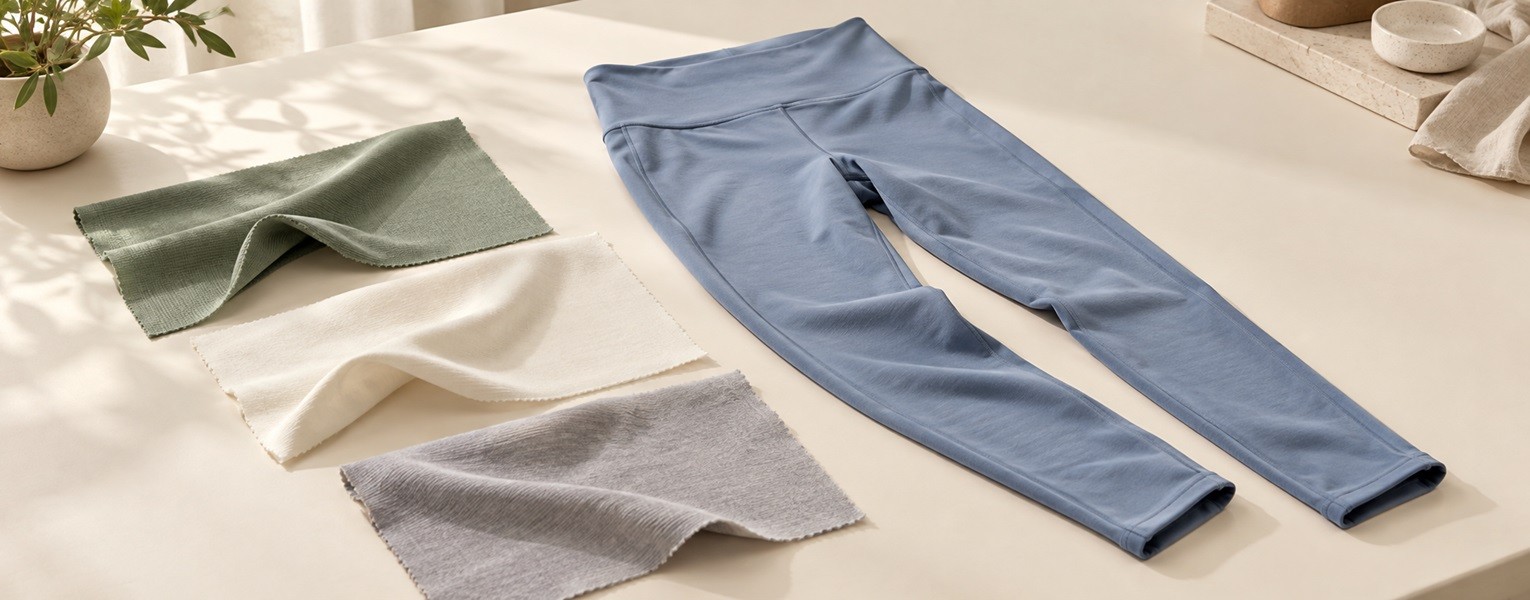
Specify a target GSM and tolerance for the finished fabric, then define squat-proof performance through coverage checks on the selected colors, stretch conditions, and garment sizes. Include dry, damp, and washed conditions where relevant to the intended use.
GSM tells you how much a fabric weighs per square meter. Coverage also depends on how that fabric is constructed and how it behaves in the finished legging. The best specification brings weight, appearance, fit, and care performance together.
Easemotion offers custom leggings development covering fabric sourcing, pattern design, sample making, and private-label branding. Bring your intended activity, preferred hand feel, and coverage expectations into the first brief so your fabric and garment discussions share a clear direction.
What Does Leggings Fabric GSM Tell You?
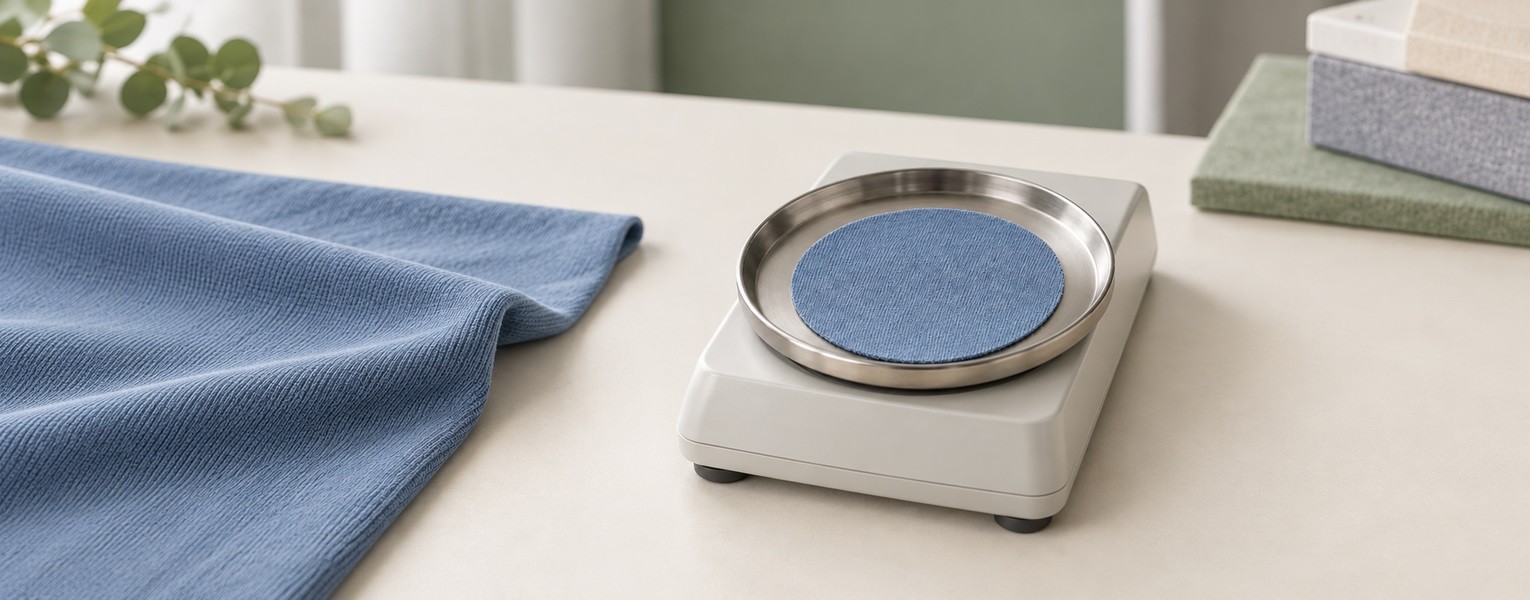
GSM means grams per square meter: the mass of a known area of fabric. ASTM D3776/D3776M-20(2025) provides methods for measuring fabric mass per unit area.
Use GSM to describe your selected material and monitor consistency. Evaluate coverage separately: two fabrics of similar weight can differ in yarn arrangement, surface finish, and appearance under stretch.
A useful fabric specification records:
- Fabric reference, composition, construction, and finish.
- Target GSM and an agreed tolerance.
- Measurement method, conditioning, and sampling plan.
- Approved colorways and a retained reference swatch.
Set the weight target after reviewing candidate materials for the actual product. Asking for the heaviest option can distract from the balance of coverage, movement, and hand feel your collection needs.
Why Can Leggings Look Different When Stretched?
As a knitted fabric stretches, its yarn arrangement changes and openings can become more visible. HunterLab identifies tension as a factor that changes knitted-fabric opacity and the visibility of the backing. See its guidance on textile sample presentation.
For product development, consider these variables together:
| Variable | Why it matters | What to include in your review |
|---|---|---|
| Fabric construction | Similar GSM values can produce different visual coverage. | Compare candidate knits at the intended stretch. |
| Color and background | Contrast affects how easily an underlayer can be seen. | Review each launch color against defined backgrounds. |
| Stretch | A relaxed swatch does not represent every wearing position. | Record fabric direction and extension. |
| Moisture | Wetting can change the appearance of some fabrics. | Include a repeatable damp-state check where relevant. |
| Garment fit | The pattern and wearer determine local fabric tension. | Review the seat, hips, and upper thighs during movement. |
Datacolor describes color, construction, stretch, moisture, and background as relevant factors in textile sheerness assessment.
Treat optical show-through and underwear seam outlines as separate observations. A visible raised seam calls for a different design discussion than an identifiable underwear color or pattern.
Set Up a Repeatable Coverage Assessment
Identify the Exact Sample
Give every assessment a traceable reference: fabric code, color, lot, garment style, size, and sample revision. Mark the solid panels intended to provide coverage and identify any intentional mesh or decorative openings.
This makes feedback actionable. “Sage sample, revision B, upper seat during a squat” is more useful than “the leggings seem sheer.”
Define Stretch and Viewing Conditions
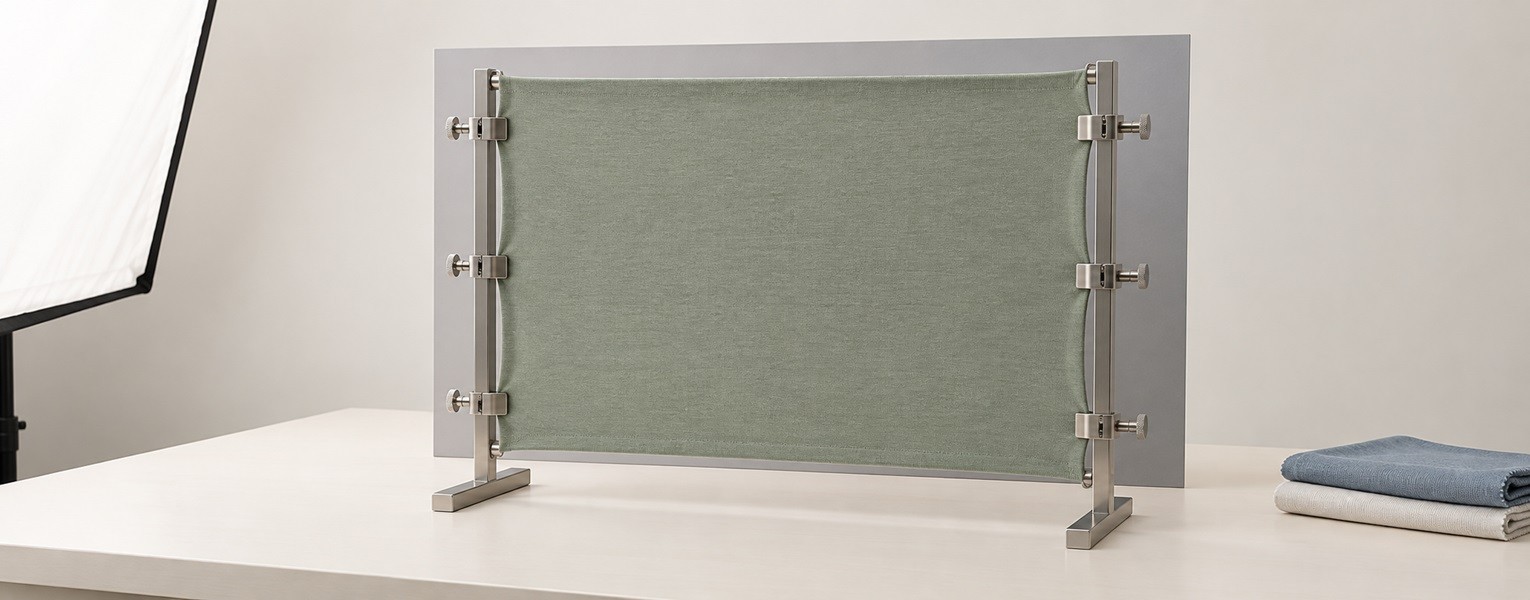
For fabric screening, record the relaxed and extended dimensions, direction of stretch, number of layers, and mounting arrangement. Assess the layer configuration used in the garment.
Keep the light source, sample position, background, viewing distance, and observation angle consistent when comparing samples. Use controlled fabric screening to narrow the shortlist, then evaluate the chosen material in a garment.
Hohenstein describes apparel opaqueness assessment using defined skin-tone backgrounds and contrasting colors, with dry, wet, stretched, and washed conditions available according to the requested assessment. See its opaqueness and opacity factsheet.
Make Damp-State Checks Reproducible
For leggings intended for sweaty workouts, include a defined moisture condition in the development plan. Record the liquid used, application amount, treated area, blotting procedure, and interval before inspection.
Keep these details consistent across candidates so the comparison answers a practical question: which material and garment combination provides the intended coverage under the same conditions?
Check Coverage in the Finished Legging
A garment trial connects the fabric assessment to the product your customer will wear. Use wearers whose measurements match the size chart and include representative sizes across the planned range.
Record:
- Wearer measurements and garment size.
- Standing fit, followed by a controlled squat, forward bend, and lunge.
- Coverage at the seat, hips, and upper thighs.
- Waistband movement, seam tension, and ease of movement.
- Observations for each color and relevant moisture condition.
Include fit checks near the intended limits of each tested size. This helps reveal where the pattern needs adjustment rather than relying on one favorable sample fit.

Recheck After Washing and Drying
Choose a wash-and-dry procedure that reflects the proposed care instructions and specify the number of cycles. ISO 6330:2021 provides domestic washing and drying procedures for textile testing, including defined detergents and equipment conditions.
After the agreed cycles, reassess coverage, appearance, and fit. Record dimensional change using an appropriate procedure such as ISO 5077:2007. Review fabric elasticity separately when it is part of the product specification; ISO 20932-1:2018, with its 2021 amendment, addresses elasticity and related properties through strip testing.
Keep the wash history attached to the sample record. Your team should be able to distinguish the new sample, the washed sample, and the retained approval reference.
Put the Approval Criteria in Your Purchase Specification
Use the following fields to organize the fabric and garment requirements before bulk production.
| Specification field | What to record |
|---|---|
| Product identity | Fabric code, composition, finish, style, pattern revision, and order reference. |
| Fabric weight | Finished-fabric GSM target, tolerance, method, and sampling plan. |
| Color coverage | Colorways requiring assessment and the approved references. |
| Stretch conditions | Direction, extension, mounting, and garment layer configuration. |
| Viewing conditions | Light source, background, distance, and observation angle. |
| Moisture condition | Dry assessment and the defined wetting procedure where required. |
| Fit assessment | Sizes, wearer measurements, movements, and coverage areas. |
| Care assessment | Washing and drying procedure, cycle count, and checks afterward. |
| Acceptance decision | Visual criteria or method-specific limits, reference samples, and approval owner. |
| Production records | Lot identification, inspection records, and the action for a nonconforming result. |
For solid coverage panels, specify that the agreed underlayer color or pattern should not be discernible under the defined assessment conditions. Record seam outlines separately. Use signed reference samples to support consistent decisions, with clear photographs as supplementary records.
Before approving a production lot, request the matching fabric identification, inspection or test records, and garment approval record. Check that each document identifies what was examined: a fabric sample, a garment, or material from the relevant lot. This keeps purchasing, development, and quality teams working from the same information.
Bring Coverage and Brand Details Together With Easemotion
Easemotion’s customization services include logos, labels, tags, and packaging. Add artwork placement and care-label content to your fabric and fit brief.
For a collection centered on recycled materials, explore our sustainable yoga wear offering and specify your preferred composition in the inquiry. Request documentation for the selected fabric alongside your performance requirements, connecting the material story to the product being developed.
FAQ
What GSM Is Best for Squat-Proof Leggings?
Start with the intended activity, feel, and fit, then compare candidate fabrics in the garment. A GSM value is a weight specification; your coverage assessment establishes whether the selected combination meets the product brief.
Should Every Color Be Checked?
Include each planned colorway in the approval plan. Keep the background and assessment conditions consistent so your team can compare results and identify colors that need further development.
Is a Hand-Stretch Check Enough?
It is useful for initial screening. For approval, document the extension and viewing setup, and assess finished garments during the intended movements.
Can Recycled Fabrics Be Used for This Type of Legging?
Include recycled-fiber options in the same selection process. Review composition documentation, fit, coverage, and care performance for the selected fabric and garment.
Start Your Custom Leggings Project With Easemotion
Bring Easemotion your tech pack, reference sample, or initial concept. Include the intended activity, size range, launch colors, preferred composition, coverage priorities, and estimated order quantity.
Our OEM/ODM and private-label services cover fabric sourcing, pattern design, sample development, and custom branding. Request fabric options, a sampling proposal, and a project quotation tied to your brief.