What are the 2026 Most Popular and Cost-Effective Fabrics in Yoga Wear Manufacturing?
- Share
- Issue Time
- Apr 28,2026
Summary
Yoga apparel in 2026 focuses on performance, comfort, and sustainability, with advanced fabrics like moisture-wicking, stretch, and breathable blends.
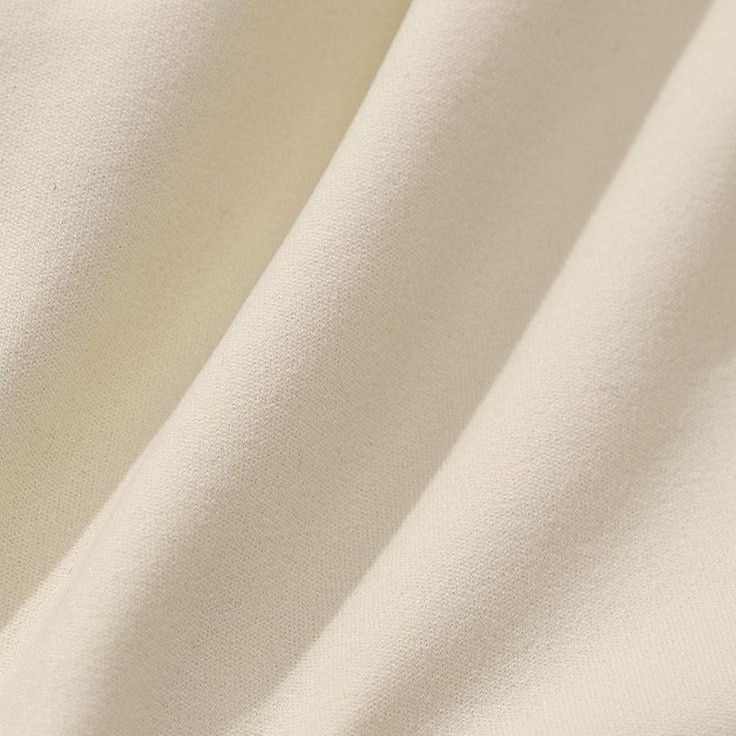
As we delve into the dynamic world of yoga apparel, I'm here to guide you through the materials that will define the industry in 2026. Understanding the evolving landscape of fabric choices for yoga wear is crucial for manufacturers aiming to balance innovation with practicality. The demand for high-performance, sustainable, and comfortable yoga clothing continues to grow. We'll explore the key materials and considerations that will shape the market, focusing on both popularity and cost-efficiency. Join me as we uncover the secrets behind creating exceptional yoga wear, from the fibers themselves to the manufacturing processes that bring them to life.
Key Takeaways
For brands and manufacturers navigating the competitive landscape of yoga wear in 2026, success hinges on a strategic approach to fabric selection and production. Here are the essential takeaways from our in-depth analysis:
- Performance is Non-Negotiable: The modern yogi demands apparel that performs. Key metrics like moisture-wicking, four-way stretch, breathability, and durability are no longer premium features but the expected standard. Fabrics must keep the user dry, allow for complete freedom of movement without losing shape, and withstand frequent use and washing.
- Synthetic Blends Remain Dominant: For balancing cost and performance, synthetic blends, primarily of Polyester, Nylon, and Spandex, will continue to lead the market. Polyester offers an excellent cost-to-durability ratio, while Nylon provides a more premium, smoother feel. Spandex (Lycra/Elastane) is the indispensable component for achieving the high-stretch and recovery properties essential for yoga poses. The specific blend ratio is critical for optimizing the final garment's function and feel.
- Sustainability is a Driving Force: The "green imperative" is reshaping consumer preferences and manufacturing choices. Recycled Polyester (rPET) is a frontrunner, offering performance comparable to virgin polyester but with a significantly lower environmental footprint. Other key sustainable materials gaining traction include natural fibers like organic cotton (for low-impact practices), Tencel™ Lyocell, and innovative bio-based synthetics. Brands that successfully integrate these materials will appeal to the eco-conscious consumer.
- Quality Control is Paramount: To build a reputable brand, rigorous fabric testing is essential. This goes beyond basic checks and must include stretch recovery tests, opacity ("squat-proof") tests, pilling resistance, and colorfastness to both washing and perspiration. Addressing these potential issues at the sourcing stage prevents negative customer experiences and costly returns.
- Manufacturing Methods Impact Outcome: The choice between seamless and cut-and-sew production has significant implications for design, comfort, waste, and cost. Seamless technology offers superior comfort and reduces fabric waste but requires specialized machinery and yarns. Cut-and-sew provides more design versatility and is often more cost-effective for smaller runs.
- Cost-Effectiveness Through Strategy: Achieving cost-effectiveness in 2026 isn't just about choosing the cheapest material. It involves a holistic approach that includes optimizing fabric blends, leveraging sustainable materials that offer long-term brand value, implementing stringent quality control to reduce defects, and refining supply chain logistics to improve efficiency and reduce overheads.
By focusing on these core pillars—advanced performance, strategic material blending, a genuine commitment to sustainability, and meticulous quality assurance—manufacturers can create yoga wear that not only meets but exceeds the expectations of the 2026 market.
Dissecting the Performance Metrics: What Makes the 2026 Most Popular And Cost-Effective Fabrics In Yoga Wear Manufacturing Stand Out
The foundation of exceptional yoga wear lies in the fabric's ability to perform under pressure. For 2026, the convergence of technology and textile science has elevated performance from a mere feature to an absolute expectation. It's not enough for a fabric to simply look good; it must support the yogi through every breath, stretch, and moment of mindfulness. This section breaks down the critical performance metrics that distinguish the leading fabrics in the industry, highlighting the scientific principles that enable them to provide unparalleled comfort and functionality. We will explore the must-have characteristics that form the baseline for quality yoga apparel and then delve into the advanced features that are setting new standards for the market. Understanding these metrics is the first step for any manufacturer aiming to produce cost-effective yoga wear that truly resonates with its users.
Essential Performance Characteristics of Yoga Fabrics
The core of any successful yoga garment is a fabric that can handle the unique demands of the practice. These essential characteristics are the non-negotiable pillars of performance that consumers have come to expect. They are the difference between a garment that hinders practice and one that enhances it, becoming a veritable "second skin" that moves with the body.
Moisture-Wicking and Breathability: Keeping Yogis Dry and Comfortable
Moisture management is arguably one of the most critical functions of activewear fabric. During a yoga session, especially in more vigorous styles like Vinyasa or Bikram, the body naturally perspires to regulate its temperature. A fabric that fails to manage this moisture can become heavy, clammy, and cause uncomfortable chafing, detracting from the practitioner's focus.
- Moisture-Wicking: This is the process by which a fabric draws sweat away from the skin and moves it to the outer surface of the material. This action is driven by "capillary action," where the construction of the fibers creates tiny channels that pull liquid through the fabric. Synthetic fibers like polyester and nylon are naturally hydrophobic (water-repelling), which means they absorb very little moisture, allowing them to transport sweat effectively instead of holding onto it like a sponge. Once the moisture reaches the fabric's surface, it can spread out and evaporate quickly, keeping the skin feeling dry.
- Breathability: While often used interchangeably with moisture-wicking, breathability refers to a fabric's ability to allow air to pass through it. This is crucial for thermal regulation. A breathable fabric allows sweat vapor to escape and fresh air to circulate, which helps prevent overheating. The breathability of a fabric is determined by its weave or knit, fiber type, and any finishes applied to it. Tightly woven fabrics are generally less breathable than open-knit structures. For 2026, advanced knitting technologies are creating micro-perforations and zoned ventilation in fabrics to enhance breathability in high-sweat areas without compromising coverage or support.
A fabric that excels in both moisture-wicking and breathability ensures the yogi remains comfortable and focused, regardless of the intensity of their practice.
Four-Way Stretch and Durability: Flexibility and Longevity for Every Pose
Yoga involves a vast range of motion, from deep lunges and forward folds to complex twists and binds. The fabric must be able to stretch in every direction without restricting movement.
- Four-Way Stretch: This refers to a fabric's ability to extend both crosswise (width) and lengthwise (length). This is in contrast to two-way stretch fabrics, which only stretch in one direction. This multi-directional elasticity is essential for yoga wear, as it allows the garment to conform perfectly to the body's movements. The key ingredient for achieving high degrees of stretch is an elastomeric fiber, most commonly spandex (also known as Elastane or by the brand name Lycra). Blending even a small percentage of spandex (typically 10-25%) with base fibers like polyester or nylon creates a fabric with excellent stretch and, just as importantly, stretch recovery. Recovery is the fabric's ability to snap back to its original shape after being stretched. Poor recovery leads to garments "bagging out" at the knees and seat, losing their supportive fit over time.
- Durability: High-performance yoga wear is an investment, and consumers expect it to last. Durability in this context refers to a fabric's resistance to wear and tear from repeated use, washing, and stretching. This includes:
- Abrasion Resistance: The ability to withstand rubbing without developing pills (small balls of fiber on the surface) or showing signs of wear. Nylon is particularly known for its exceptional abrasion resistance.
- Tensile Strength: The force required to rip or tear the fabric. Strong base fibers like polyester and nylon contribute to the overall strength of the garment.
- Colorfastness: The ability of the fabric to retain its color without fading from washing, exposure to sunlight, or contact with perspiration.
A durable, four-way stretch fabric provides the wearer with the confidence to move freely, knowing their apparel will support them and maintain its integrity for many practices to come.
Compression and Support: Enhancing Performance and Muscle Recovery
Compression in activewear involves fabrics that apply a gentle, consistent pressure to the muscles. While once primarily associated with medical applications or high-impact sports, the benefits of compression are now widely recognized in yoga.
- Performance Enhancement: Compression fabrics can improve proprioception—your sense of where your body is in space. This heightened awareness can help with alignment and stability in poses. By holding muscles securely, compression can also reduce muscle oscillations and vibrations during movement, which may help improve efficiency and reduce fatigue.
- Muscle Recovery: The primary benefit often cited for compression wear is its role in post-exercise recovery. The pressure applied by compression garments can help improve blood circulation, which aids in clearing metabolic waste products (like lactic acid) from the muscle tissues. This enhanced blood flow can help reduce delayed onset muscle soreness (DOMS) and speed up the recovery process, allowing practitioners to return to the mat sooner.
- Fabric Composition: Compression is achieved through a high percentage of spandex combined with a dense knit construction. The higher the spandex content and the tighter the knit, the greater the compressive force. However, it's a fine balance. The fabric must provide support without being restrictive or compromising breathability, which is a key consideration for 2026's material innovations.
Lightweight Comfort: The "Second-Skin" Feel
The ultimate goal for many yogis is apparel that feels like it’s not even there. This "second-skin" sensation is achieved through lightweight fabrics that offer softness and minimal bulk.
The weight of a fabric is typically measured in Grams per Square Meter (GSM). Yoga wear fabrics can range from a very light ~180 GSM for tops to a more substantial 280-320 GSM for opaque, supportive leggings. However, a high GSM does not necessarily mean a fabric feels heavy. Modern fiber technology allows for the creation of very fine yarns that can be knitted into dense, opaque fabrics that still feel incredibly lightweight and soft against the skin. Materials like microfiber nylon or specially engineered polyester contribute to this sensation. The "hand feel"—the tactile sensation of the fabric—is crucial. A smooth, buttery-soft surface reduces friction and enhances the overall sensory experience of the practice, making lightweight comfort a key driver of fabric popularity.
Advanced Features Defining the 2026 Most Popular And Cost-Effective Fabrics In Yoga Wear Manufacturing: Antimicrobial and UV Protection
Beyond the core performance characteristics, a new tier of advanced features is emerging to meet the evolving needs of the modern consumer. These value-added properties provide enhanced hygiene, safety, and longevity, further distinguishing premium yoga wear in a competitive market. As technology becomes more accessible, these features are increasingly important for creating cost-effective yet highly desirable products.
Antimicrobial Properties: Yoga mats and sweaty apparel can be breeding grounds for odor-causing bacteria. Antimicrobial (or anti-odor) treatments work to inhibit the growth of these microbes. This helps keep clothing smelling fresher for longer, meaning fewer washes are required—a benefit for both the garment's lifespan and the environment. There are several ways to achieve this:
- Topical Finishes: The fabric is treated with a solution containing antimicrobial agents, such as silver salts or zinc pyrithione. These are cost-effective but may wash out over time.
- Fiber-Infused Technology: Antimicrobial compounds, often silver-based, are embedded directly into the polymer matrix of the fiber itself. This provides a more durable, long-lasting solution that won't degrade with washing. As manufacturing techniques advance, these yarn-level solutions are becoming more cost-effective for 2026.
- Natural Antimicrobial Fibers: Some materials, like bamboo (in its viscose form) and certain wools, are often marketed as having natural antimicrobial properties, though the efficacy can vary.
UV Protection: For yogis who practice outdoors—be it in a park, on a beach, or during a retreat—protection from the sun's harmful ultraviolet (UV) radiation is a significant concern. Fabrics can provide a barrier against UV rays, and their effectiveness is measured by an Ultraviolet Protection Factor (UPF) rating.
- How UPF Works: The UPF rating indicates how much of the sun's UVA and UVB radiation is blocked by the fabric. A fabric with a UPF of 50, for example, allows only 1/50th (or 2%) of UV radiation to penetrate. A rating of UPF 30 is considered good, while UPF 50+ is rated as excellent protection.
- Factors Influencing UPF: Several factors affect a fabric's inherent UPF rating: the fiber type (polyester and nylon naturally absorb more UV than cotton), the density of the weave or knit (tighter construction offers more protection), the color (darker colors absorb more UV rays), and whether the fabric is wet or stretched (which can lower the UPF).
- Enhancing UV Protection: In addition to these inherent properties, fabrics can be treated with UV-absorbing finishes to boost their UPF rating significantly. This is becoming a standard feature for apparel collections marketed for outdoor activities, including yoga.
Integrating these advanced features demonstrates a brand's commitment to the holistic well-being of the user, providing tangible benefits that go beyond basic comfort and fit. For manufacturers in 2026, finding cost-effective methods to incorporate durable antimicrobial and high-UPF properties will be a key competitive advantage.
A Deep Dive into Material Choices: Identifying the 2026 Most Popular And Cost-Effective Fabrics In Yoga Wear Manufacturing
With a clear understanding of the essential performance metrics, we can now explore the specific fibers and blends that will dominate the yoga wear market in 2026. The choice of material is the most critical decision in manufacturing, directly influencing performance, aesthetics, durability, and, most importantly, cost. This section will dissect the leading material categories, from the workhorse synthetics that form the industry's backbone to the rise of appealing natural-fiber alternatives. We'll examine the unique properties of each fiber and explain why the art of blending them is the true key to creating the most popular and cost-effective fabrics for modern yoga apparel.
Synthetic Champions: Polyester, Nylon, and Spandex Blends
Synthetic fibers are the undisputed champions of the activewear world for a reason: they are engineered for performance. Their molecular structures can be manipulated to deliver specific benefits—like moisture management, durability, and elasticity—at a cost-effective scale that is difficult for natural fibers to match.
Polyester: The Durable and Moisture-Managing Foundation
Polyester is the most widely used synthetic fiber in the world and serves as the foundation for a vast portion of the yoga wear market. Its popularity stems from an unbeatable combination of performance, versatility, and cost-effectiveness.
- Key Properties:
- Exceptional Durability: Polyester fibers are incredibly strong and resistant to abrasion, shrinking, and stretching out of shape. They hold up well to repeated machine washing and drying.
- Superior Moisture Management: Being hydrophobic, polyester absorbs very little water (around 0.4% of its own weight). This makes it an excellent moisture-wicking fabric, pulling sweat away from the skin to the surface where it can evaporate.
- Excellent Color Retention: Polyester holds dye exceptionally well, resulting in vibrant, lasting colors that resist fading from UV exposure and washing. This is a key advantage for creating visually appealing collections.
- Cost-Effectiveness: Due to its widespread production and efficient manufacturing processes, polyester is one of the most affordable performance fibers, making it a go-to choice for brands aiming to balance quality with a competitive price point.
- Considerations: Standard polyester can sometimes have a less-soft or slightly synthetic hand feel compared to nylon. However, advancements in fiber technology have led to the development of "micro-polyesters" with much finer filaments, creating fabrics that are significantly softer and more comfortable against the skin. It is also an oil-based plastic, which raises environmental concerns, driving the rapid growth of its recycled counterpart, rPET.
Nylon: Offering a Smooth Feel and Premium Strength for Yoga Wear
Nylon is often considered the more premium cousin to polyester. While also a synthetic powerhouse, it is known for a distinctively smooth, soft hand feel and superior strength, making it a popular choice for high-end yoga and activewear lines.
- Key Properties:
- Silky-Smooth Texture: Nylon's primary appeal is its exceptionally soft and smooth surface, which provides a luxurious, cool-to-the-touch sensation against the skin. This "buttery" feel is highly sought after in premium leggings and tops.
- Outstanding Strength and Durability: Nylon was the first commercially successful synthetic thermoplastic polymer and is renowned for its high tensile strength and excellent abrasion resistance—even more so than polyester. This makes it incredibly durable and resistant to pilling.
- Good Elasticity and Recovery: Like polyester, nylon has good inherent elasticity and works extremely well when blended with spandex, offering a snug, supportive fit.
- Considerations: Nylon is typically more expensive to produce than polyester, which positions it in a higher price bracket. It is also more hydrophilic than polyester, meaning it can absorb more moisture (up to 4.5% of its weight). While it still wicks sweat, it may feel wetter and take longer to dry during intense, high-sweat activities. It also has lower resistance to UV degradation compared to polyester, though this can be mitigated with specific treatments.
Spandex (Elastane/Lycra): The Critical Element for Unrestricted Movement
Spandex is the magic ingredient that gives yoga wear its defining characteristic: stretch. It is a synthetic polymer known for its exceptional elasticity. The terms Spandex (common in North America) and Elastane (used in the rest of the world) are generic names for the same fiber, while Lycra® is a well-known brand name of spandex fiber.
- Key Properties:
- Extreme Stretch: Spandex can be stretched to over 500% of its original length without breaking and, crucially, will return to its original shape. This property is what enables four-way stretch.
- Lightweight and Strong: Despite its incredible elasticity, spandex is lightweight and adds minimal bulk to the final fabric.
- Blending Agent: Spandex is almost never used on its own. It is blended in small percentages (typically 8% to 25%) with other fibers like polyester or nylon. The higher the spandex content, the greater the stretch and compressive force of the fabric. A common blend for high-quality yoga leggings is around 75-85% polyester/nylon and 15-25% spandex.
- Considerations: Spandex is sensitive to high heat and chlorine, which can degrade the fibers over time. This is why care labels on yoga wear often advise against using high-heat dryers or bleach. Its production is also energy-intensive, although a growing interest in bio-based and recycled spandex is addressing some of these concerns.
Naturals and Blends: The Growing Appeal of Bamboo in Cost-Effective Yoga Wear Manufacturing
While synthetics dominate performance wear, there is a strong and growing consumer demand for natural and "natural-feeling" fibers. Among these, bamboo has carved out a significant niche, praised for its incredible softness and perceived eco-friendly credentials.
- What is Bamboo Fabric? It's important to clarify that most "bamboo" fabric on the market is not made from mechanically processed bamboo fibers. Instead, it is typically bamboo viscose or bamboo rayon. This is a semi-synthetic fiber created by dissolving bamboo pulp in a chemical solution, extruding it into fibers, and then spinning it into yarn. A more environmentally friendly process results in bamboo lyocell, which uses a closed-loop system to recycle the solvents.
- Key Properties:
- Exceptional Softness: Bamboo viscose is famous for its silky, cashmere-like softness that drapes beautifully and feels luxurious against the skin.
- Good Breathability and Moisture Absorption: The fiber is highly absorbent and breathable, making it comfortable for low-impact yoga, meditation, or casual wear. However, its high absorbency means it can become heavy and slow to dry during intense sweat sessions, making it less ideal for hot yoga or vigorous flows compared to synthetics.
- Hypoallergenic: The smooth, round structure of the bamboo fiber is non-irritating, making it a great choice for those with sensitive skin.
- Cost and Sustainability: The cost of bamboo viscose is generally competitive and can be a cost-effective choice for loungewear-focused yoga collections. However, its sustainability is complex. While bamboo itself is a fast-growing, renewable resource, the traditional viscose process uses harsh chemicals that can be environmentally damaging if not handled properly. Brands should seek out suppliers who use the lyocell process (like Tencel™) or can certify that their viscose production adheres to strict environmental standards (e.g., FSC certification for the bamboo source).
Why the Right Blend Matters: Optimizing Function, Feel, and Cost for Yoga Apparel
The art and science of fabric manufacturing for yoga wear in 2026 lies in the blend. Rarely is a single fiber type used alone; instead, manufacturers create hybrid fabrics that leverage the best qualities of each component fiber to achieve a specific balance of performance, feel, and cost.
By blending, a manufacturer can:
- Achieve Superior Performance: Combining the moisture-wicking and durability of polyester with the extreme stretch of spandex creates the quintessential performance fabric.
- Enhance Hand Feel: Blending nylon with spandex results in a fabric that is both incredibly soft and highly elastic, targeting the premium market. Adding a small amount of a natural fiber like Tencel™ or Modal to a synthetic blend can improve softness and drape.
- Manage Costs: A Polyester-Spandex blend is generally the most cost-effective option for high-performance leggings. By adjusting the ratio, or using a blend of polyester and nylon, manufacturers can fine-tune the final price point of the garment without drastically sacrificing performance. For example, a fabric with 88% polyester and 12% spandex will be very functional and affordable, while a blend of 80% nylon and 20% spandex will feel more luxurious but come at a higher cost.
Below is a table summarizing how different blends are optimized for different market needs:
| Fabric Blend | Primary Strengths | Best For | Price Point |
|---|---|---|---|
| Polyester (85%) / Spandex (15%) | Durability, Moisture-Wicking, Color Retention, Cost-Effective | All-around yoga, hot yoga, high-intensity workouts | $$ |
| Nylon (80%) / Spandex (20%) | Ultra-Soft "Buttery" Feel, High Strength, Great Stretch & Recovery | Premium studio wear, everyday leggings, moderate-intensity yoga | $$$ |
| Recycled Polyester (79%) / Spandex (21%) | Sustainable, High Performance, Durable | Eco-conscious performance collections, all yoga styles | $$ - $$$ |
| Bamboo Viscose (95%) / Spandex (5%) | Extreme Softness, Breathability, Hypoallergenic | Low-impact yoga, meditation, loungewear, maternity yoga | $$ |
| Polyester / Nylon / Spandex Blend | Balances the soft feel of Nylon with the cost-effectiveness and moisture-wicking of Polyester. | Versatile mid-market apparel, offering a "better than basic" feel | $$ - $$$ |
Ultimately, identifying the most popular and cost-effective fabric is not about finding a single perfect material, but about mastering the art of the blend to meet the specific demands of a target audience and brand positioning.
The Green Imperative: How Sustainable Options are Shaping the 2026 Most Popular And Cost-Effective Fabrics In Yoga Wear Manufacturing
The conversation around yoga wear in 2026 is incomplete without a deep focus on sustainability. The philosophy of yoga, rooted in mindfulness and connection (Ahimsa, or non-harming), aligns perfectly with a growing consumer demand for products that are kind to the planet. This "green imperative" is no longer a niche trend but a powerful market force. Brands that ignore it risk becoming irrelevant, while those that embrace it can build profound loyalty. This section explores the leading eco-conscious fabric choices, from mainstream recycled materials to cutting-edge innovations, and discusses the practical challenge of balancing planetary health with an accessible price point.
Eco-Conscious Choices: The Rise of Recycled Polyester and Organic Cotton
As the industry pivots towards sustainability, two materials have emerged as the most viable and popular eco-friendly staples: recycled polyester for performance and organic cotton for comfort.
Recycled Polyester (rPET)
Recycled polyester, most commonly known as rPET, is the undisputed leader in sustainable performance fabrics. It is made by collecting, sterilizing, and melting down post-consumer PET plastics—primarily plastic water and soda bottles—and spinning the resulting polymer into new polyester fiber.
- Environmental Benefits: The advantages of rPET are significant. Its production requires an estimated 59% less energy compared to virgin polyester. It also diverts plastic waste from landfills and oceans, giving a second life to a material that would otherwise take centuries to decompose. By utilizing an existing resource, it reduces our reliance on virgin petroleum, the raw material for conventional polyester.
- Performance and Cost: Critically, the quality and performance of modern rPET are virtually indistinguishable from its virgin counterpart. It offers the same durability, moisture-wicking capabilities, and excellent color retention that brands rely on. While recycled polyester used to be significantly more expensive, increased demand and scaled-up production have narrowed the price gap considerably. For 2026, the cost of rPET is becoming highly competitive with virgin polyester, making it a commercially viable choice for brands of all sizes.
- Challenges: The main challenge is the recycling process itself, which can be energy-intensive, and the fact that a plastic bottle can only be recycled a finite number of times before the polymer degrades. There are also concerns about microplastic shedding during washing, which applies to both virgin and recycled versions. Despite these challenges, rPET represents the most scalable and effective solution for reducing the environmental impact of synthetic activewear right now.
Organic Cotton
For low-impact yoga styles, meditation, and yoga-inspired loungewear, cotton remains a beloved choice for its natural softness and breathability. However, conventional cotton farming is notoriously resource-intensive, relying heavily on water and pesticides. Organic cotton offers a much more sustainable alternative.
- Environmental Benefits: Organic cotton is grown without the use of toxic pesticides, synthetic fertilizers, or genetically modified organisms (GMOs). This protects the health of the soil, conserves water, and ensures a safer environment for farmers and surrounding communities. Organic farming practices often rely on rainwater, significantly reducing irrigation needs compared to conventional methods.
- Performance and Application: Organic cotton offers the same soft, breathable qualities as conventional cotton. It is not ideal for high-sweat practices as it absorbs moisture and becomes heavy. However, it is perfect for restorative yoga, Yin, or as a lifestyle apparel piece. To add functionality, it is often blended with a small amount of spandex for stretch or with Tencel™ for enhanced softness and moisture management.
- Cost: Organic cotton is more expensive than conventional cotton due to lower crop yields and the higher costs associated with certification and segregated processing. However, consumers who prioritize natural fibers are often willing to pay a premium for the peace of mind that comes with an organic product.
The Environmental Edge: Other Sustainable Fabric Innovations in Yoga Wear
Beyond rPET and organic cotton, a wave of innovative materials is pushing the boundaries of what a sustainable fabric can be. These options, while often more expensive, are gaining traction with forward-thinking brands looking to differentiate themselves.
- TENCEL™ Lyocell & Modal: Produced by the Austrian company Lenzing, TENCEL™ branded fibers (both Lyocell and Modal) are derived from sustainably sourced wood pulp, typically from eucalyptus, beech, or birch trees grown in managed forests.
- Lyocell: Made using a revolutionary closed-loop process that recycles over 99% of the water and non-toxic solvents used, making it incredibly eco-friendly. The resulting fabric is known for its luxurious softness, smooth drape, excellent breathability, and great moisture management. It is often blended with cotton or spandex for use in yoga tops and pants.
- Modal: Similar to Lyocell but known for being exceptionally soft and flexible, often described as feeling even softer than cotton. It is resistant to shrinking and fading.
- Hemp: One of the most durable natural fibers available, hemp has deep environmental roots. The plant grows quickly, requires little water, no pesticides, and naturally enriches the soil it grows in. As a fabric, hemp is breathable, durable, and gets softer with each wash. Historically, it was known for a coarse texture, but modern processing techniques have resulted in much softer hemp fabrics suitable for apparel, often blended with organic cotton or spandex.
- Bio-Based Synthetics: This is a frontier in sustainable textiles. Researchers and manufacturers are developing polymers that are partially or fully derived from renewable plant-based sources like corn, sugarcane, or castor beans, rather than petroleum. For example, there are bio-based nylons and spandex alternatives entering the market. These materials aim to offer the performance of traditional synthetics with a significantly lower carbon footprint, representing a long-term goal for the industry.
Balancing Green Practices with Production Costs: A Sustainable Future for Yoga Wear Manufacturing
The transition to sustainable fabrics is not without its challenges, the most significant of which is cost. Recycled, organic, and innovative eco-materials generally have higher raw material and processing costs than their conventional counterparts.
For manufacturers, the key is a strategic approach:
- Start with Blends: Introducing a percentage of a sustainable fiber (e.g., a 50% rPET / 50% virgin polyester blend) can be a cost-effective first step to reduce environmental impact without a massive price hike.
- Focus on Volume Materials: Prioritizing the switch to rPET from virgin polyester can have the biggest impact, as the cost difference is minimal and the environmental benefits are substantial.
- Educate the Consumer: Brands must effectively communicate the "why" behind their sustainable choices. When a customer understands that the higher price of a legging made from TENCEL™ Lyocell is due to a fabrication process that protects forests and recycles water, they are more likely to see the value in that investment.
- Optimize the Supply Chain: Working with certified suppliers who are transparent about their processes and sourcing can build trust and efficiency. Certifications like the Global Recycled Standard (GRS), Organic Content Standard (OCS), and Forest Stewardship Council (FSC) provide third-party validation of sustainability claims.
Ultimately, balancing sustainability with cost-effectiveness in 2026 requires a long-term vision. It's an investment in brand reputation, consumer loyalty, and a healthier planet. As technology improves and economies of scale grow, the cost of being green will continue to decrease, making sustainable choices not just the ethical option, but the smart one.
Ensuring Quality and Efficiency: Manufacturing Strategies for the 2026 Most Popular And Cost-Effective Fabrics In Yoga Wear Manufacturing
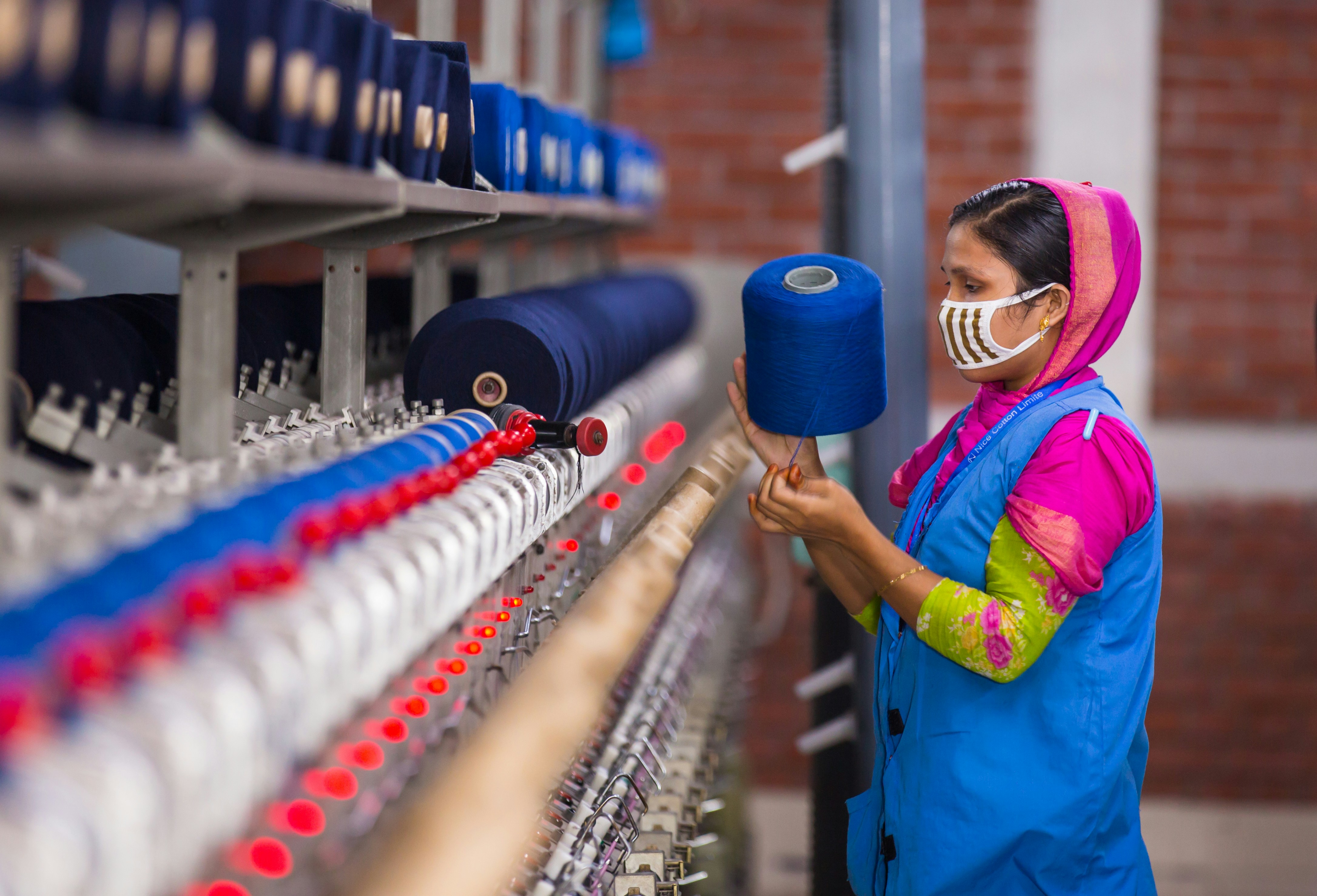
Selecting the right fabric is only half the battle. To truly succeed in the competitive 2026 yoga wear market, manufacturers must pair material expertise with rigorous quality control and efficient production strategies. A premium fabric can be ruined by poor construction, and even the most cost-effective material becomes expensive if it leads to product defects and returns. This final section outlines the critical manufacturing considerations, from essential fabric testing that guarantees performance to the strategic choice between production techniques and the optimization of the supply chain. These strategies are the key to transforming a great fabric into a high-quality, profitable garment.
Critical Fabric Testing: From Stretch Recovery to Squat-Proof Opacity
Before a single garment is cut, the chosen fabric must undergo a battery of tests to ensure it meets the brand's performance standards. Trusting a supplier's spec sheet is not enough; independent verification is crucial for building a reputation for quality.
- Stretch and Recovery Test (ASTM D2594/D3107): This is perhaps the most important test for yoga wear. A fabric sample is stretched to a specific extension for a set period and then released. The test measures both how easily it stretches and, more importantly, how well it returns to its original dimensions. Poor recovery leads to the dreaded "saggy knees" and a loss of supportive fit, which is a primary customer complaint.
- Opacity Test (The "Squat Test"): Transparency is a major concern for consumers, especially with leggings. The "squat-proof" test is a real-world evaluation of a fabric's opacity. This is done by stretching the fabric over a contrasting surface (e.g., a black and white card) or on a fit model in a deep squat position under bright lighting. A fabric must remain opaque even when stretched to its functional limit. This is influenced by the raw material, knit density, color, and finish. Darker colors and denser knits (higher GSM) generally offer better opacity.
- Pilling Resistance Test (ASTM D3512): Pilling occurs when fibers on the surface of a fabric rub together and form small, unsightly balls. This is a common issue with softer, spun-yarn fabrics. A pilling test tumbles fabric samples against an abrasive surface to simulate wear and washing, then grades the result. Fabrics using smooth, long-filament fibers like high-quality nylon and polyester are generally more resistant to pilling.
- Colorfastness Tests: This ensures the fabric's color remains stable and does not bleed or fade. Key tests include:
- Colorfastness to Laundering (AATCC 61): Simulates home washing to check for color loss or staining of other clothes.
- Colorfastness to Perspiration (AATCC 15): Crucial for activewear, this test exposes the fabric to acidic and alkaline solutions simulating sweat to ensure colors don't run or change hue.
- Colorfastness to Light (AATCC 16): Exposes the fabric to a high-intensity lamp to simulate sun exposure and check for fading, essential for outdoor yoga lines.
Addressing Common Issues: Preventing Pilling, Translucency, and Color Inconsistency
Proactive prevention is far more effective than reactive problem-solving.
- Preventing Pilling: The best defense is material selection. Choose fabrics made from high-quality, long-filament synthetic fibers (like nylon 6,6 or specialized polyester). Blends with a high content of short-staple natural fibers are more prone to pilling. Anti-pilling finishes can be applied, but they may alter the hand feel of the fabric.
- Preventing Translucency (See-Through): This is a combination of fabric weight (GSM), construction, and color. For leggings, a GSM of 250 or higher is generally recommended, although innovative materials can achieve opacity at lower weights. A tight interlock knit structure is less likely to become translucent when stretched compared to a single jersey. Darker colors are inherently more opaque. During development, always test the fabric in its intended color and stretched to its maximum in-use percentage.
- Preventing Color Inconsistency: Dyeing synthetic blends like polyester/spandex can be challenging, as the two fibers absorb dye differently. This can lead to a "grinning" effect where the white spandex fibers become visible when the fabric is stretched. Using high-quality "dope-dyed" or "solution-dyed" spandex, where the color is added to the fiber during its creation, can eliminate this issue and improve colorfastness, though it is a more expensive process often reserved for premium lines. Ensuring dye lots are consistent is a critical supply chain and quality control function to prevent variations in color between production runs.
Seamless vs. Cut-and-Sew: Production Techniques and Fabric Considerations for Yoga Apparel
There are two primary methods for constructing yoga garments, each with its own benefits, costs, and fabric requirements.
Cut-and-Sew: This is the traditional method of apparel manufacturing. Large rolls of flat fabric are cut into pattern pieces, which are then sewn together to create the garment.
- Pros: Highly versatile, allowing for intricate designs, color blocking, and the inclusion of features like pockets and mesh panels. It is the most common and widely accessible manufacturing method, suitable for a vast range of fabric types.
- Cons: The construction process creates seams, which can sometimes cause chafing or irritation depending on the stitch type (e.g., a flatlock seam is preferred for comfort). It also generates more fabric waste from the cutting process.
- Fabric Considerations: Almost any stretch knit fabric can be used in cut-and-sew production.
Seamless Knitting: This advanced technique uses circular knitting machines to create garments directly from yarn with minimal or no sewing required. The machine knits a tube of fabric that can have different textures, compression levels, and even ventilation patterns integrated directly into the design.
- Pros: Superior comfort with no side seams to rub or chafe. The ability to create engineered zones of support or breathability. A more streamlined, body-hugging fit. Significantly less fabric waste compared to cut-and-sew.
- Cons: Requires specialized and expensive machinery. Less design flexibility in terms of adding elements like zippers or complex pocket structures. Requires specific yarn types that can be knitted effectively on these machines. Can be more expensive per unit, especially for smaller production runs.
- Fabric Considerations: Seamless manufacturing relies on yarn rather than finished fabric. The yarns must be smooth, strong, and consistent. Blends of nylon, polyester, and spandex are common, chosen for their performance and ability to run smoothly on the knitting machines.
The choice between these methods depends on brand identity, desired aesthetics, performance goals, and target price point. Many brands use both: cut-and-sew for complex, feature-rich leggings and seamless for ultra-comfortable base layers and bras.
Leveraging Optimized Supply Chains for Efficiency and Quality in Fabric Manufacturing
An efficient and transparent supply chain is the backbone of a successful apparel business. It directly impacts cost, quality, speed-to-market, and the ability to deliver on sustainability promises.
- Supplier Vetting and Partnerships: Don't just source fabric; build partnerships. Work with fabric mills that have a proven track record, robust quality control systems, and third-party certifications (like OEKO-TEX®, bluesign®, or GRS). A good supplier will work with you to develop custom fabrics and troubleshoot issues.
- Vertical Integration vs. Diversification: Some large manufacturers own the entire process from yarn spinning to garment sewing (vertical integration), giving them maximum control over quality and cost. Smaller brands often work with a diversified network of specialized suppliers. The key is visibility and communication at every step.
- Nearshoring and Onshoring: For decades, offshoring production to Asia was the default for cost savings. However, rising labor costs, shipping delays, and a desire for greater agility have led many brands to explore "nearshoring" (e.g., manufacturing in Mexico or Central America for the US market) or even "onshoring" (domestic manufacturing). These can dramatically reduce lead times, improve quality oversight, and lower the carbon footprint from shipping, though production costs are typically higher.
- Technology and Data: Modern supply chains are powered by data. Using Product Lifecycle Management (PLM) software allows brands to track a product from initial concept through sourcing, sampling, production, and quality control. This improves efficiency, reduces errors, and provides valuable data for making smarter decisions in the future.
By integrating rigorous testing, choosing the right production methods, and building a resilient supply chain, manufacturers can ensure that their investment in high-quality fabrics translates into finished products that delight customers and drive long-term brand success.
Navigating the fabric landscape for yoga wear manufacturing in 2026 requires a keen eye on performance, sustainability, and cost-efficiency. By prioritizing the right materials—from workhorse synthetic blends to innovative-eco-conscious options—and committing to rigorous testing, we can meet the ever-increasing consumer demands for high-quality, comfortable, and conscious yoga apparel. Staying informed about these trends ensures that we deliver products that not only perform exceptionally but also resonate with the values of the modern yogi. The future of yoga wear is bright, innovative, and increasingly mindful. My hope is that this in-depth guide provides a clear roadmap for anyone looking to excel in the competitive yet rewarding field of yoga wear manufacturing, making informed decisions that benefit both businesses and consumers alike.
Now we'd love to hear from you! What fabric trends are you most excited about for 2026? Share your thoughts in the comments below, and don't forget to share this article with your network!
Frequently Asked Questions (FAQ)
Q1: What is the single most cost-effective fabric for a startup yoga brand in 2026?
For a startup brand focused on balancing high performance with an accessible price point, a recycled polyester and spandex blend is the most cost-effective choice. A typical blend of around 80-87% recycled polyester (rPET) and 13-20% spandex offers excellent moisture-wicking, durability, and four-way stretch. As the production of rPET has scaled, its cost has become highly competitive with virgin polyester, while also providing a compelling sustainability story that resonates strongly with today's consumers. This allows a new brand to deliver a quality, eco-conscious product without the premium price tag of more niche materials.
Q2: Are 100% natural fiber fabrics like cotton or bamboo suitable for all types of yoga?
No, 100% natural fiber fabrics are not ideal for all types of yoga. While fabrics like organic cotton and bamboo viscose are exceptionally soft and breathable, they are also highly absorbent. For high-intensity practices like Vinyasa, Power Yoga, or Hot Yoga where you sweat a lot, these fabrics will absorb the moisture, becoming heavy, clammy, and slow to dry, which can lead to chafing and discomfort. They are, however, an excellent choice for low-impact styles like Restorative Yoga, Yin, meditation, or for yoga-inspired lifestyle and loungewear. For added functionality, look for natural fibers blended with a small percentage of spandex for stretch.
Q3: How can a manufacturer ensure their leggings are truly "squat-proof" and not see-through?
Ensuring leggings are "squat-proof" requires a multi-faceted approach during development. First, fabric selection is key: choose a dense knit structure like an interlock over a single jersey, and aim for a fabric weight of at least 250 GSM (Grams per Square Meter), though denser is often better. Second, test the fabric rigorously. This involves stretching the fabric to its expected in-use limit over both light and dark surfaces to check for transparency. Third, conduct real-world fit tests on models with different body types, observing the fabric's opacity under bright lighting in deep squat and forward-fold positions. Finally, consider color: darker dyes inherently offer more coverage than lighter pastels or white.
Q4: Are sustainable fabrics always significantly more expensive to manufacture with?
Not anymore. While this was true in the past, the price gap has narrowed considerably for many mainstream sustainable fabrics. Recycled polyester (rPET) is now very close in price to its virgin counterpart, making it a highly accessible eco-friendly option. Other materials like TENCEL™ Lyocell or premium organic cotton are still more expensive than their conventional alternatives due to more complex processing and certification costs. However, brands can manage these costs through strategic blending (e.g., using a blend of organic and conventional cotton) and by communicating the value of these sustainable choices to consumers, many of whom are willing to pay a slight premium for an environmentally responsible product.