What is Recycle Yoga Wear and Why Ethical Choices Matter
- Share
- publisher
- bella
- Issue Time
- Apr 21,2026
Summary
Recycled yoga wear supports eco-friendly lifestyles. Conventional synthetic activewear triggers resource loss, water pollution and microplastic waste.

As someone who enjoys yoga, I've always thought about the clothes we wear during our practice. But have you ever stopped to consider what your yoga wear is made of and where it goes after you're done with it?
Today, I want us to explore a really important topic: Recycle yoga wear. It's not just a trend; it's a step towards a healthier planet and a more mindful lifestyle. Yoga itself is rooted in principles of mindfulness and interconnectedness, and these values should extend to our relationship with the planet.
Join me as we dive into what Recycle yoga wear really means and why making ethical choices in our activewear matters more than ever before. We'll explore how sustainable choices are not only good for the planet but also for our performance and well-being.
Understanding Recycle Yoga Wear: What Exactly Is It?
Recycle yoga wear refers to activewear created from post-consumer or post-industrial waste materials, transforming what would otherwise be pollution into high-performance fabrics. Instead of creating new materials from scratch, this innovative approach gives existing resources a second life, aligning our yoga practice with a deeper commitment to environmental stewardship.
The Environmental Challenge of Traditional Yoga Wear Materials
Traditional activewear poses a significant environmental problem. Many yoga pants and tops are made from synthetic fibers like polyester, nylon, and spandex. These materials are derived from fossil fuels, a non-renewable resource, and their production is energy-intensive. The process of creating conventional polyester, for instance, requires large amounts of water, chemicals, and petroleum, which can pollute our air and water.
Here are some of the key issues with conventional materials:
- Resource Depletion: Synthetic fibers are petroleum-based, meaning they rely on the extraction of finite fossil fuels.
- Water Pollution: The textile dyeing process is the world's second-largest polluter of water. Wastewater from factories often contains toxic chemicals like arsenic, lead, and formaldehyde, which are dumped into rivers and streams.
- Microplastic Pollution: Every time we wash synthetic clothing, millions of tiny plastic microfibers are released. These particles are too small to be filtered by washing machines and wastewater treatment plants, so they end up in our oceans, harming marine life and entering the food chain.
- Landfill Waste: The "fast fashion" model encourages rapid consumption and disposal, leading to an estimated 85% of all textiles ending up in landfills each year, where they can take centuries to decompose.

How Recycle Yoga Wear Transforms Waste into New Fabric
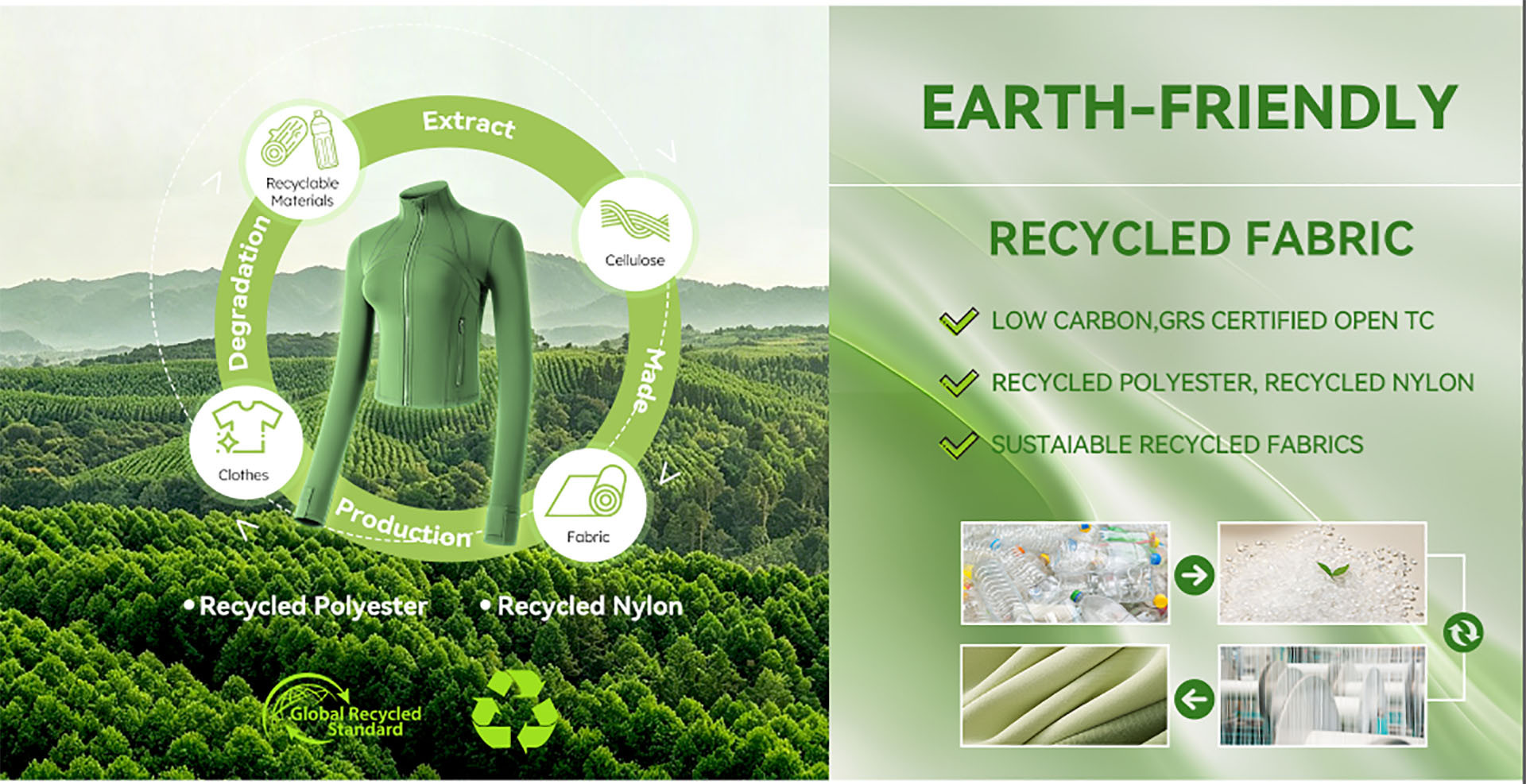
The process of creating recycled yoga wear is a fascinating example of modern innovation turning trash into treasure. The most common material used is recycled polyester, often known as rPET, which is primarily made from post-consumer plastic bottles.
Here's a simplified step-by-step look at how those plastic bottles become your favorite leggings:
- Collection and Sorting: Used plastic bottles are collected from recycling bins. At the recycling facility, they are sorted, and the caps and labels are removed.
- Shredding and Cleaning: The bottles are sterilized, dried, and then crushed into small plastic chips or flakes. These chips undergo a chemical bath to remove any remaining residues.
- Melting and Extrusion: The clean chips are melted down into a liquid polymer. This liquid is then extruded through tiny holes to create fine threads, much like a spider spins a web.
- Spinning into Yarn: These threads are then passed through a crimping machine to create a fluffy texture before being spun into a soft, durable yarn.
- Knitting and Finishing: Finally, the yarn is knitted into fabric, which may be dyed with non-toxic dyes and finished to become the high-performance, moisture-wicking material used for activewear. A single pair of yoga pants can keep dozens of water bottles out of landfills and oceans.
Beyond plastic bottles, some companies also use recycled nylon, which is made from waste like old fishing nets and industrial plastic, further helping to clean up our oceans.
The Benefits of Choosing Recycled Materials for Our Activewear
Opting for activewear made from recycled materials isn't just an environmental statement; it offers tangible benefits without compromising on quality or performance. In fact, many high-quality recycled fabrics are indistinguishable from their virgin counterparts.
Performance Benefits:
- Durability and Strength: Recycled polyester is incredibly resilient and resists stretching, shrinking, and wrinkles, ensuring your gear maintains its shape after many workouts and washes. The recycling process does not weaken the fiber.
- Moisture-Wicking and Breathability: Just like virgin polyester, rPET is excellent at wicking sweat away from the skin and drying quickly, keeping you comfortable during intense practice.
- Soft and Lightweight: Modern recycled fabrics are engineered to feel soft and featherlight against the skin, allowing for excellent airflow.
Environmental Benefits:
- Reduces Plastic Waste: By repurposing plastic bottles and other waste, we divert them from landfills and oceans where they would otherwise pollute the environment for centuries.
- Conserves Energy and Resources: Creating polyester from recycled materials uses significantly less energy than producing it from scratch. Studies show it can require up to 70% less energy and 86% less water than virgin polyester.
- Lowers Carbon Footprint: Because it's less energy-intensive, the production of recycled polyester results in substantially lower CO2 emissions—up to 75% less.
By choosing recycled activewear, we embrace a product that merges innovation, sustainability, and high performance.
Why We Opt for Recycle Yoga Wear: Our Role in Protecting the Planet
Choosing recycled yoga wear is a powerful, tangible action we can take to reduce our personal environmental footprint. It's a conscious decision that reflects a commitment to protecting our planet's fragile ecosystems and conserving its finite resources.
Reducing Landfill and Ocean Pollution with Recycle Yoga Wear
The fashion industry, particularly the fast fashion segment, is a massive contributor to global waste. An estimated 11.3 million tons of textile waste end up in US landfills each year, and a truckload of abandoned textiles is dumped or incinerated every single second globally. Much of this waste consists of synthetic fabrics that do not biodegrade.
By choosing recycled yoga wear, we directly participate in a solution. Every garment made from recycled materials represents waste that has been diverted from a landfill or, even worse, from our oceans. For example, recycled nylon often uses discarded fishing nets, directly cleaning up marine plastic pollution that is incredibly harmful to sea life. This choice helps break the linear "take-make-dispose" cycle and reduces the accumulation of plastic waste on our planet.
Conserving Precious Resources Through Recycling
The production of conventional textiles is incredibly resource-intensive. For example, it takes about 2,000 gallons of water to produce a single pair of jeans and 700 gallons for one cotton shirt. Synthetic fibers like virgin polyester rely on petroleum, a non-renewable fossil fuel.
Recycling bypasses the need for new resource extraction. When we choose a pair of leggings made from recycled plastic bottles, we eliminate the need to extract new crude oil to create virgin polyester. The process also uses significantly less water. By extending the lifecycle of materials already in circulation, we help conserve the Earth’s precious natural resources for future generations.
The Energy Savings and Lower Carbon Footprint of Recycle Yoga Wear
The fashion industry is responsible for about 10% of all global carbon emissions—more than international flights and maritime shipping combined. This is largely due to the energy-intensive processes of extracting raw materials, manufacturing fibers, and dyeing textiles.
The production of recycled polyester offers dramatic energy savings. Manufacturing fabric from recycled PET consumes about 70% less energy than making virgin polyester. This drastic reduction in energy consumption directly translates to a lower carbon footprint. The CO2 emissions from creating recycled polyester are estimated to be 75% lower than those from its virgin counterpart. Supporting brands that use these materials is a direct vote for a less carbon-intensive industry.
Supporting a Circular Economy in the Fashion Industry
Choosing recycled yoga wear is a step towards building a circular economy. A circular economy is a model of production and consumption that involves sharing, leasing, reusing, repairing, refurbishing, and recycling existing materials and products for as long as possible. In essence, it’s the opposite of the traditional linear, "throwaway" model.
When we purchase products made from recycled content, we are creating demand for recycled materials, which encourages more companies to collect and repurpose waste. This supports a system where materials are kept in use, rather than being used once and then discarded. Sustainable manufacturers like easemotion are embracing this philosophy, focusing on transforming discarded plastics into durable, high-quality activewear and helping to close the loop in fashion. By supporting this model, we contribute to an industry that generates less waste, creates new jobs in recycling and remanufacturing, and minimizes its overall environmental impact.

Key Takeaways
- Environmental Impact of Traditional Activewear: Conventional yoga clothes are often made from petroleum-based synthetic fabrics like polyester and nylon, contributing to resource depletion, water pollution, and microplastic shedding. The fast fashion model leads to immense textile waste in landfills.
- The Power of Recycling: Recycled yoga wear is made by transforming post-consumer waste, like plastic bottles and fishing nets, into new, high-performance fabric. This process significantly reduces waste, conserves natural resources, and lowers energy consumption and carbon emissions compared to producing virgin materials.
- Performance is Not Sacrificed: Recycled activewear offers the same, if not better, performance as conventional gear. It is durable, moisture-wicking, breathable, and soft, making it ideal for yoga and other physical activities without compromising quality.
- Beyond the Fabric - A Holistic Ethical Approach: True sustainability extends beyond recycled materials. It includes ensuring fair labor practices for garment workers, using non-toxic dyes to prevent water pollution, and investing in high-quality, durable products to promote mindful consumption ("buy less, choose better").
- How to Be a Conscious Consumer: You can support this movement by looking for key certifications like the Global Recycled Standard (GRS) and OEKO-TEX®, researching brand transparency, asking companies about their supply chains, and committing to a more sustainable wardrobe one thoughtful purchase at a time.
Beyond Recycle Yoga Wear: Embracing a Holistic Ethical Approach
While choosing recycled materials is a fantastic start, true sustainability requires a more holistic view. An ethical approach to activewear considers the entire lifecycle of a garment—from the well-being of the people who make it to the chemicals used in its production and its ultimate durability. It’s about aligning our purchases with a broader set of values that honor both people and the planet.
The Importance of Fair Labor Practices in Activewear Production
Behind every piece of clothing is a chain of human hands. The fast fashion industry has long been criticized for its exploitative labor practices, where workers in the supply chain face low wages, unsafe working conditions, and excessive hours.
Ethical manufacturing is built on a foundation of respect for these workers. It means partnering with factories that prioritize:
- Fair Wages: Paying a living wage that allows workers to meet their basic needs.
- Safe Working Environments: Ensuring factories are structurally sound, well-ventilated, and free from hazardous conditions.
- Reasonable Hours: Adhering to legal limits on working hours and preventing forced overtime.
- No Child or Forced Labor: Absolutely prohibiting the exploitation of children and forced labor.
Supporting brands that are transparent about their supply chain and can verify that they uphold fair labor standards is a crucial part of making an ethical choice. When a brand values its people, that commitment is often reflected in the quality and integrity of the product.
Choosing Non-Toxic Dyes and Sustainable Manufacturing Methods
The impact of clothing production goes far beyond the fabric itself. Textile dyeing is a major source of water pollution globally, as many conventional dyes contain toxic chemicals, including heavy metals, that are released into local waterways. These pollutants can devastate aquatic ecosystems and pose health risks to nearby communities.
Sustainable brands are addressing this challenge in several ways:
- Low-Impact Dyes: Using dyes that have a higher absorption rate, requiring less water and resulting in less runoff.
- Natural Dyes: Exploring plant-based and other natural coloring agents.
- Water-Based Dyes: Opting for dyes that are free from harmful solvents.
- Water Conservation: Implementing closed-loop systems that recycle water used during the dyeing process.
- Chemical-Free Finishes: Avoiding finishing treatments that use potentially harmful substances like formaldehyde.
Choosing activewear from brands that use non-toxic, eco-friendly dyes is not only better for the planet but also healthier for your skin, as it reduces your exposure to potentially irritating chemicals.
Investing in Quality and Durability for Long-Lasting Wear
One of the most effective ways to reduce the environmental impact of our wardrobe is simply to buy less. The "fast fashion" business model thrives on producing low-quality, inexpensive items that are designed to be worn only a few times before being discarded. This throwaway culture is a primary driver of waste.
Investing in high-quality, durable activewear is an ethical and sustainable decision.
| Feature | Low-Quality Fast Fashion | High-Quality Sustainable Wear |
|---|---|---|
| Lifespan | Designed for a few wears; quickly loses shape or falls apart. | Built to last through hundreds of wears and washes. |
| Cost Per Wear | Low initial price, but very high cost-per-wear over its short life. | Higher initial investment, but a much lower cost-per-wear over time. |
| Environmental Impact | Encourages frequent replacement, leading to more production and waste. | Reduces the need for new purchases, conserving resources and minimizing waste. |
By choosing well-made garments that are built to endure, we break the cycle of overconsumption and take a more mindful approach to our closets.
My Commitment to Conscious Consumption: Buying Less, Choosing Better
My personal journey toward a more ethical wardrobe has been guided by a simple mantra: buy less, choose better. It’s about shifting my mindset from chasing fleeting trends to investing in pieces that are timeless, versatile, and aligned with my values.
This means I now take the time to research brands before I buy. I look for companies, like easemotion, that are not just selling a product but are also committed to a mission of sustainability and ethical production. I ask questions about where and how their clothes are made. And most importantly, I ask myself if I truly need a new item or if I can continue to get joy and use from what I already own.
This practice of conscious consumption has been incredibly empowering. It reminds me that every purchase is a vote for the kind of world I want to live in—one that is more sustainable, equitable, and mindful.
How I Find and Support Brands Committed to Recycle Yoga Wear
Navigating the world of sustainable fashion can feel overwhelming, but with a few key strategies, it becomes much easier to identify and support truly ethical brands. It’s all about looking for transparency, doing a bit of research, and knowing what questions to ask.
Key Certifications and Transparency to Look For
Certifications from third-party organizations are one of the most reliable ways to verify a brand's claims. They provide independent assurance that a company is meeting specific environmental or social standards. When shopping for recycled yoga wear, here are some of the most important labels to look for:
- Global Recycled Standard (GRS): This is one of the most comprehensive certifications for products made from recycled materials. GRS verifies the recycled content in the final product and also ensures that the manufacturing process adheres to strict social and environmental standards, including chemical restrictions.
- OEKO-TEX® Standard 100: This label certifies that every component of the product—from the fabric to the thread and buttons—has been tested for harmful substances and is therefore harmless for human health. This is especially important for activewear that sits right against your skin.
- Fair Trade Certified™: This certification focuses on the social aspect of production, ensuring that workers receive fair wages, work in safe conditions, and can invest in their communities.
- B Corp Certification: This is a holistic certification that assesses a company's entire social and environmental performance, from its supply chain and materials to its employee benefits and community engagement. It signifies that a brand is legally required to consider the impact of its decisions on all stakeholders.
A truly transparent brand will make this information easy to find on its website, often on a dedicated sustainability page.
Researching Ethical Brands: Where to Start My Search
Finding brands that walk the talk takes a little digging, but there are many great resources available to help.
- Sustainable Fashion Blogs and Publications: Websites and magazines dedicated to ethical fashion often do the research for you, providing curated lists and in-depth reviews of sustainable activewear brands.
- Ethical Brand Directories: Online platforms like Good On You rate thousands of fashion brands on their impact on people, the planet, and animals, making it easy to check a company’s credentials quickly.
- Brand Websites: A brand's own website is a primary source of information. Look for a detailed "Sustainability" or "Our Story" section. Vague claims like "eco-friendly" are a red flag. Look for specific details: What recycled materials do they use? Where are their factories located? Are they certified? The more details they provide, the more likely they are to be genuinely transparent.
Engaging with Companies: Asking the Right Questions
Don't be afraid to reach out to brands directly! A company that is proud of its ethical practices will be happy to answer your questions. Engaging with brands via social media or email shows them that consumers care about these issues.
Here are some good questions to ask:
- "Can you tell me more about the factory where this item was made and your relationship with them?"
- "What percentage of this garment is made from recycled materials, and are they GRS certified?"
- "What kind of dyes do you use, and what steps do you take to manage water pollution?"
- "Besides using recycled materials, what other sustainability initiatives is your company involved in?"
A detailed, honest response is a great sign. If a brand is evasive or can't provide specifics, it might be an indication that their claims are more about marketing than genuine commitment.
My Personal Journey Towards a More Sustainable Wardrobe
My own transition to a more sustainable activewear collection didn't happen overnight. It started with one conscious purchase. Instead of impulsively buying a trendy pair of leggings on sale, I took the time to find a brand that used recycled materials and was transparent about its manufacturing.
That first purchase felt different. It felt like an investment, not just in a piece of clothing, but in my values. Since then, I’ve slowly replaced worn-out items with durable, ethically-made alternatives. I’ve learned to repair small tears, to wash my synthetics in a special bag to catch microfibers, and to cherish the story behind each garment.
Building a sustainable wardrobe is a practice, much like yoga. It’s not about achieving perfection, but about making consistent, mindful choices. It's about recognizing that our actions have an impact and choosing to make that impact a positive one, one pair of recycled yoga pants at a time.
Frequently Asked Questions (FAQ)
Q1: Is recycled yoga wear as durable and high-quality as regular activewear? A: Absolutely. Modern recycling technology ensures that fabrics made from recycled materials, like rPET (recycled polyester), are just as strong, flexible, and durable as their virgin counterparts. They offer the same high-performance qualities, including moisture-wicking, breathability, and shape retention, making them perfect for any workout without sacrificing quality.
Q2: How does wearing recycled activewear actually help the environment? A: Choosing recycled activewear helps the environment in several key ways. It diverts plastic waste like bottles and fishing nets from landfills and oceans, conserves precious natural resources like petroleum and water, and significantly reduces energy consumption and CO2 emissions during the manufacturing process.
Q3: Are there any health benefits to choosing sustainable yoga wear? A: Yes. Many sustainable and ethical brands prioritize the use of non-toxic, low-impact dyes and avoid harmful chemicals like formaldehyde in their production processes. This makes the final garment safer for your skin, especially important for close-fitting activewear, and reduces the risk of skin irritation or exposure to harmful substances.
Q4: What should I do with my yoga wear when it's at the end of its life? A: To keep your old activewear out of the landfill, look for textile recycling programs. Some brands, like Patagonia, have take-back programs where they will recycle their old products for you. Other organizations specialize in recycling textiles that can't be donated. Before recycling, consider if the item can be repaired or repurposed.
Q5: How can I tell if a brand is truly ethical and not just "greenwashing"? A: Look for transparency and third-party certifications. A truly ethical brand will be specific about its materials, factories, and processes. Check for labels like the Global Recycled Standard (GRS), OEKO-TEX®, and Fair Trade. If a brand's claims are vague and lack detail, or if they are unwilling to answer specific questions about their supply chain, it may be a sign of greenwashing.
Conclusion
Making the switch to Recycle yoga wear is a powerful way for us to align our values with our purchases, showing love for both our bodies and our planet. As we've seen, this choice extends far beyond just a tag on a pair of leggings; it represents a commitment to reducing waste, conserving resources, and supporting a fashion industry that is kinder to the people who craft our clothes.
I hope this discussion has shed some light on why ethical choices, starting with our yoga wear, are crucial for a sustainable future. It’s about recognizing that every garment has a story and an impact, from the resources it consumed to the hands that made it.
Let's empower ourselves to be fashion-conscious consumers, choosing recycle yoga wear and supporting brands like easemotion that prioritize people and the environment, one conscious choice at a time. By doing so, we don't just buy clothes—we invest in a healthier, more equitable, and more mindful world.